The Placenta: Superfood or Super Science?
If you have spent any time on “MomTok” or pregnancy forums recently, you’ve definitely seen the debate.
On one side, you have the wellness influencers swearing that turning your placenta into pills (encapsulation) is the secret to beating postpartum depression and boosting energy.
On the other side, you have scientists and doctors urging parents to treat the placenta as a powerful medical resource.
For expectant parents in 2026, the placenta is no longer just medical waste – it’s a valuable asset. But you have a critical choice to make: Do you use it now for a wellness boost, or save it forever as medical insurance?
Here is the breakdown of Encapsulation vs. Placenta Banking to help you decide.
Option 1: Placenta Encapsulation
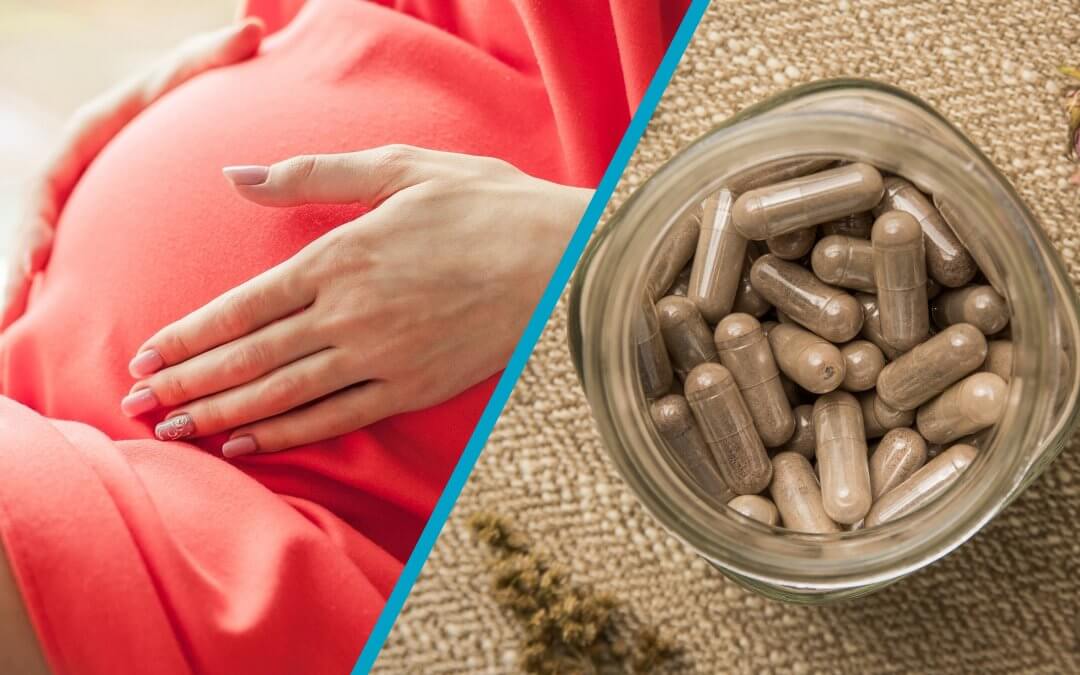
This is the process of steaming, dehydrating, and grinding the placenta into pill form to be taken daily in the weeks after birth.
- The Theory: Proponents claim that re-ingesting the placenta returns lost hormones and nutrients (like oxytocin and iron) to the mother, helping with milk supply, mood stabilization, and energy levels.
- The Reality: While many moms report feeling better, scientific studies have yet to prove these benefits. The “boost” is often attributed to the placebo effect, although many women do swear by it.
- The Catch: To make the placenta safe to eat, it is usually processed and heated. Heat, or anything other than prompt cryopreservation destroys stem cells. Once you cook or dehydrate the placenta, its biological value for future medical treatment is gone.
Option 2: Placenta Banking
This involves collecting the placenta immediately after birth and storing it in a cryogenic facility (like Cells4Life).
- The Theory: The placenta is a powerhouse of Mesenchymal Stem Cells (MSCs) and other regenerative tissues. These cells are different from the ones found in cord blood. While cord blood treats blood cancers (like leukemia) or brain injuries (like cerebral palsy), placental cells are being researched to repair tissue, muscle, bone, and organs.
- The Reality: There are currently hundreds of clinical trials using placental tissue to treat conditions ranging from stroke and heart disease to osteoarthritis and inflammatory conditions. Although today’s approved placenta stem cell therapies are limited to using cells from the amniotic membrane to treat eye conditions, wounds and ulcers, in the future, it is hoped that they will provide therapies for much more.
- The Catch: You cannot eat it or do encapsulation. The placenta is stored cryogenically for potential future use by your child (or, in some cases, the mother).
The “Why” Behind Placenta Banking: It’s Not Just Blood Anymore
Most parents know about Cord Blood Banking (saving the blood from the umbilical cord). Cord blood and tissue banking is also 100% compatible with encapsulation – you can do both.
But the placenta offers a completely different “toolkit” for the body.
When you bank the placenta with a service like Cells4Life, you aren’t just saving one type of cell. You can preserve multiple layers of the organ, each with unique properties:
- The Amnion (Amniotic Membrane): Known for its wound-healing and anti-inflammatory properties. It is currently used in eye surgery and burn treatments.
- The Chorion (Placental Tissue): Rich in MSCs, which are the body’s building blocks for repair.
- The Decidua (Maternal Placenta): This is the only part of the afterbirth that contains Mom’s cells. Cells4Life is the only bank in the US that can store these specific cells, offering potential future therapies for the mother’s own health (like autoimmune support and anti-aging).
Comparison: The Breakdown
| Feature | Placenta Encapsulation | Placenta Banking |
| Primary Goal | Short-term wellness (weeks) | Long-term health security (decades) |
| Scientific Evidence | Unproven, anecdotal (User reported) | Proven (Clinical trials & FDA therapies) |
| Who could benefit? | Mom only | Baby, Siblings, and Mom (with Decidua) |
| Stem Cell Viability | Zero | Maximum (Cryogenically preserved) |
Find out more about placenta banking by downloading your free info kit below.
FIND OUT MORE, REQUEST YOUR FREE INFO KIT TODAY
All you need to know to make an informed decision.
Provide your contact details to request:
– Complete Info Kit and your Guide to Cord Blood Banking
– Information via email
– Contact from our specialist advisors