

Cord Blood Stem Cells Treat Severe Combined Immune Deficiency
Cord Blood Stem Cells Treat Severe Combined Immune Deficiency
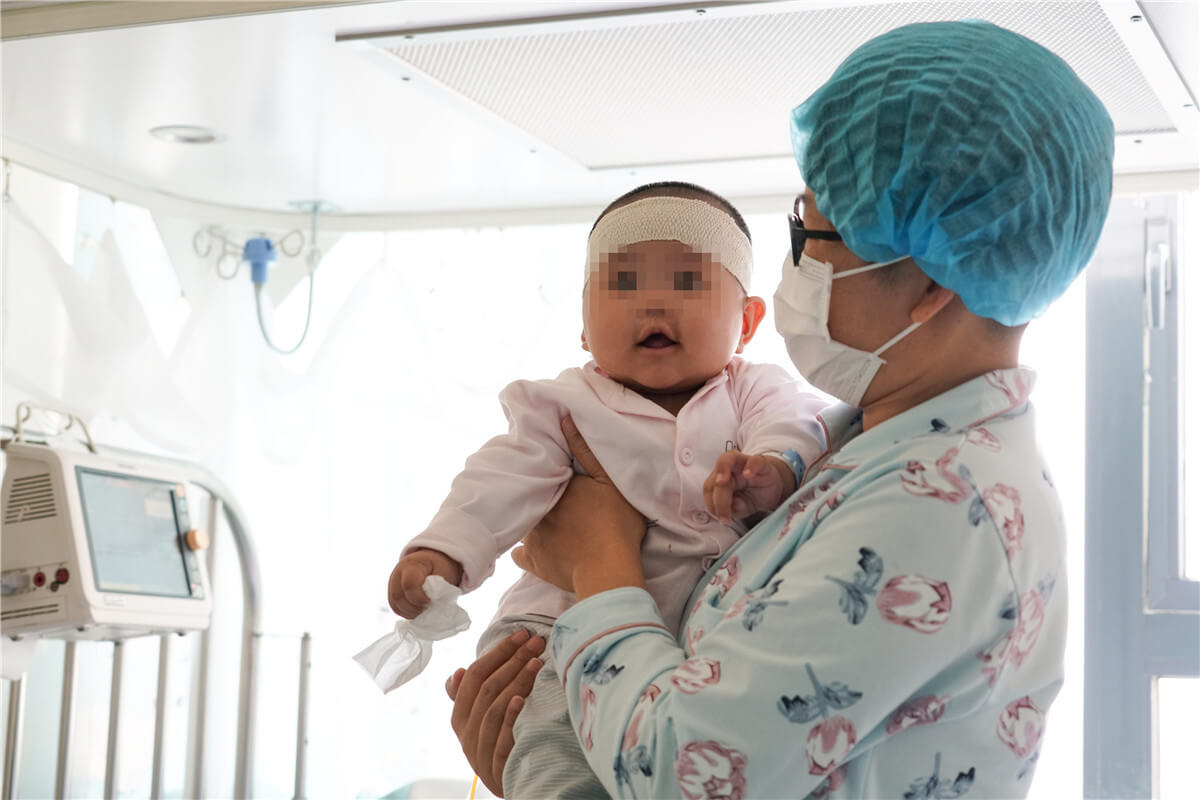
An 8-month-old girl has received a potentially life-saving cord blood transplant at the Children’s Hospital of Fudan University, Shanghai.
Little Ranbao received the treatment after being diagnosed with severe combined immune deficiency (SCID).
The condition affects 1 in every 1 million births. SCID is a life-threatening condition which involves a deficiency of B cells and T cells. The immune system needs these cells to fight infection, and when a person is severely deficient, they become extremely vulnerable to illness. In most cases, the disease results in serious infections within the first few months of life – and many children sadly die within just one year without intervention.
Since she was born in July, Ranbao had already been suffering from a cough, fever, swollen lymph nodes, as well as a lung infection. Doctors hope, however, that this transplant may have successfully treated her condition.
Because SCID is a genetic condition present at birth, a child cannot be treated using their own stem cells. Therefore, Ranbao’s therapy involved an injection of haematopoietic stem cells taken from a healthy, donated cord blood sample. These healthy donor cells have the power to form new blood cells and can even reconstitute a patient’s entire immune system.
Dr. Qian Xiaowen, who oversaw the transplant, noted the clinic’s positive historical outcomes: “We have treated 30 such cases and 80 percent of the patients have survived,” he said. “There is a big hope that the patient can be cured after a successful stem cell transplant”.
Ranbao’s story is particularly significant because it also marks the 4,000th transplant for the China Stem Cell Group, which releases cord blood and other stem cell types for treatment in the country.
“We are so happy we found a match at the umbilical cord blood bank,” said Mr. Zhang, Ranbao’s father. “If everything goes smoothly, my daughter is expected to be discharged in late April”.

About SCID
- The condition occurs in between 1 in 200,000 and 1 in 1,000,000 live births.
- The most common form of the condition affects boys more than girls.
- Because it is a genetic condition, standard treatment involves a stem cell transplant from a healthy matched donor. For families who privately bank cord blood, a healthy sibling’s stored cord blood may provide a vital match.
- While not yet a standard treatment, gene therapy using autologous (the patient’s own) cells is also under development.
- There are several clinical trials investigating the broader application of stem cells or cord blood for the treatment of SCID.

FIND OUT MORE, REQUEST YOUR WELCOME PACK TODAY