
Key details
- New trial approval: The South Korean Ministry of Food and Drug Safety has approved a Phase 2a trial for a new umbilical cord stem cell therapy to treat Charcot-Marie-Tooth disease (CMT), one of the most commonly inherited nerve diseases.[1]
- Early clinical findings: In a small, early-phase (Phase 1) clinical study, this investigational stem cell therapy was reported to be generally well tolerated, with no serious adverse events observed. Preliminary findings suggested possible improvements in some measures of disease severity and function. However, these results are from a limited, uncontrolled study and further research, including larger controlled trials, is needed to determine whether the treatment is safe and effective.[2][3]
- Orphan drug status: The U.S. Food and Drug Administration (FDA) has granted orphan drug designation to EN001 for the treatment of CMT, which provides incentives to support development for rare diseases but does not mean the therapy is approved for general use.[4]
- Future availability: ENCell, the developer, has expressed its intention to continue clinical development after Phase 2a and aims to provide data supporting possible regulatory submission.[1]
What is Charcot-Marie-Tooth disease?
Charcot-Marie-Tooth disease (CMT) is a group of inherited disorders that cause damage to the nerves in the arms and legs. It affects both the nerves that control movement (motor nerves) and those that transmit sensations (sensory nerves).[5]
As one of the most common types of inherited nerve diseases, CMT can be caused by mutations in a wide variety of genes. Depending on the faulty gene, CMT damages either:
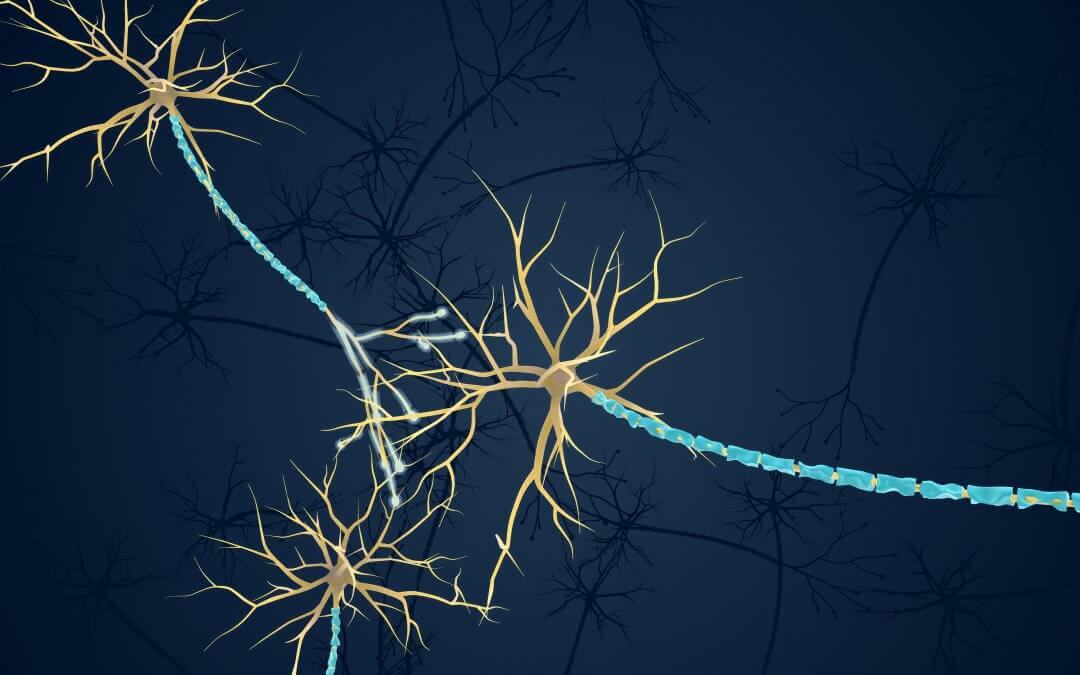
- The myelin sheath, which is the nerves’ protective coat.
- The axons, which are the nerve fibres themselves.
Both forms of damage significantly impair nerve function.[5]
As an inherited condition, CMT runs through families. Most forms of CMT, including CMT1, the main form affecting the myelin sheath and the most common,[5] are inherited in an autosomal dominant pattern. This means someone only needs to get one copy of a faulty gene from one of their parents to develop the condition; inheritance is not connected to the two sex chromosomes, so males and females have equal chances of inheriting the condition. Occasionally, CMT will develop in someone whose family has no prior history, something known as a de novo mutation.[5]
CMT is a progressive condition, meaning symptoms can be subtle at first but will get progressively worse over time. Common symptoms include:
- Mobility issues: difficulty walking, foot drop (trouble lifting the foot at the ankle), and balance issues.
- Deformities: highly arched or very flat feet, curled toes, and muscle atrophy (shrinking) in the lower legs.
- Chronic pain: the strain on the body caused by the problems with walking and posture often leads to muscle and joint pain.
- Hand issues: as CMT advances, it can begin affecting the hands and arms as well, leading to reduced hand dexterity and strength, which can make daily tasks more difficult.[5]
There is currently no cure for CMT. Treatment is limited to supportive care and symptom management, including physiotherapy, occupational therapy, orthopaedic devices to support weakened limbs, walking aids such as walkers or wheelchairs, pain medication, and surgery to correct deformities.[5]
How could umbilical cord stem cells help treat CMT?
The stem cell therapy being trialled for CMT is based on mesenchymal stem cells (MSCs) derived from the Wharton’s jelly found in umbilical cord tissue.[6] Wharton’s jelly is a rich source of powerful MSCs, which, due to their young age, multiply more effectively than MSCs derived from adult tissues such as the bone marrow or fat.[7][8] They can reduce inflammation, modulate the immune system, and promote healing and regeneration.[9]
The therapeutic mechanism involves:
- Schwann cell support: In laboratory studies using cells derived from patients with Charcot-Marie-Tooth disease type 1A (CMT1A), Wharton’s jelly–derived mesenchymal stem cells (WJ-MSCs) were shown to support Schwann cell growth. This effect was more pronounced when combined with insulin, suggesting a potential synergistic interaction under experimental conditions.
- Myelin-related effects: The study observed changes in markers associated with myelination in treated Schwann cells in vitro. While these findings indicate a possible supportive role in myelin biology, they are based on early-stage laboratory research.
- Functional improvements: In a mouse model of CMT1A, treatment with WJ-MSCs in combination with insulin was associated with improvements in motor function compared to untreated animals.[10]
What do the results of the phase 1 trial for CMT show?
Data from a first-in-human Phase 1 trial of an investigational umbilical cord–derived mesenchymal stem cell therapy (EN001) for Charcot-Marie-Tooth disease type 1A (CMT1A) suggest that the treatment was generally well tolerated, with exploratory findings indicating potential effects on disease-related measures.
The study included nine patients in a dose-escalation design (three receiving a low dose and six a high dose), with outcomes assessed over 16 weeks.
No dose-limiting toxicity, serious adverse events, or infusion-related reactions were reported, supporting a favourable safety profile in this small cohort.
Exploratory efficacy measures showed a reduction in disease severity, as assessed by the Charcot-Marie-Tooth Neuropathy Score version 2 (CMTNSv2), with an average decrease of 2.89 points after 16 weeks. A greater reduction was observed in the high-dose group (3.50 points). While these findings reached statistical significance, they should be interpreted with caution given the study’s small size and early-phase design.
Changes were also observed in functional and clinical assessments, including walking tests, disability scales, and nerve conduction studies, particularly in the high-dose group. These results are preliminary and require confirmation in larger, controlled trials.[2][3]
Following this study, EN001 received orphan drug designation from the U.S. Food and Drug Administration (FDA). Further clinical development is ongoing, including a Phase 1b/2a trial to better understand safety and potential efficacy.[4]
Why is stem cell banking so important?
Stem cell banking involves collecting and storing stem cells from your baby’s umbilical cord at birth. These cells are currently used in a limited number of established medical treatments, and research is ongoing to understand their potential in other areas.
Storing your child’s stem cells does not guarantee that they will be suitable or needed for future use. However, it ensures that a matched sample is available should it be required and clinically appropriate.
Some families choose to store these cells as a way of keeping this option available for the future.
To learn more about umbilical cord stem cells and how you can preserve them, fill in the form below to request your free welcome pack.
References
[6] ENCell. Pipeline. https://www.encellinc.com/en/sub/rnd/pipeline.asp

FIND OUT MORE, REQUEST YOUR WELCOME PACK TODAY
All you need to know to make an informed decision.
Provide your contact details to request:
– Complete Welcome Pack and Parent’s Guide
– Information via email
– Contact from our specialist advisors

Lesley-Ann Martin, PhD
Chief Scientific Officer at Cells4Life
Dr. Martin holds a PhD in Molecular Biology from the University of Reading and has extensive research experience at the Institute of Cancer Research. She oversees all scientific and laboratory operations at Cells4Life.