
Key details
- High prevalence of frailty: An estimated 12% to 24% of older adults (people aged 65 and older) suffer from ageing frailty, highlighting a significant unmet medical need.
- New area of research: A Phase 2b clinical trial has identified laromestrocel, an IV infusion of mesenchymal stem cells (MSCs) derived from bone marrow, as a potential treatment for ageing-related frailty.
- Encouraging early signals: In the study, patients treated with the highest dose of laromestrocel walked over 60 meters further in a 6-minute test compared to the placebo group after 9 months, and over 30% of treated patients improved enough to no longer be classified as frail.
The cost of ageing frailty
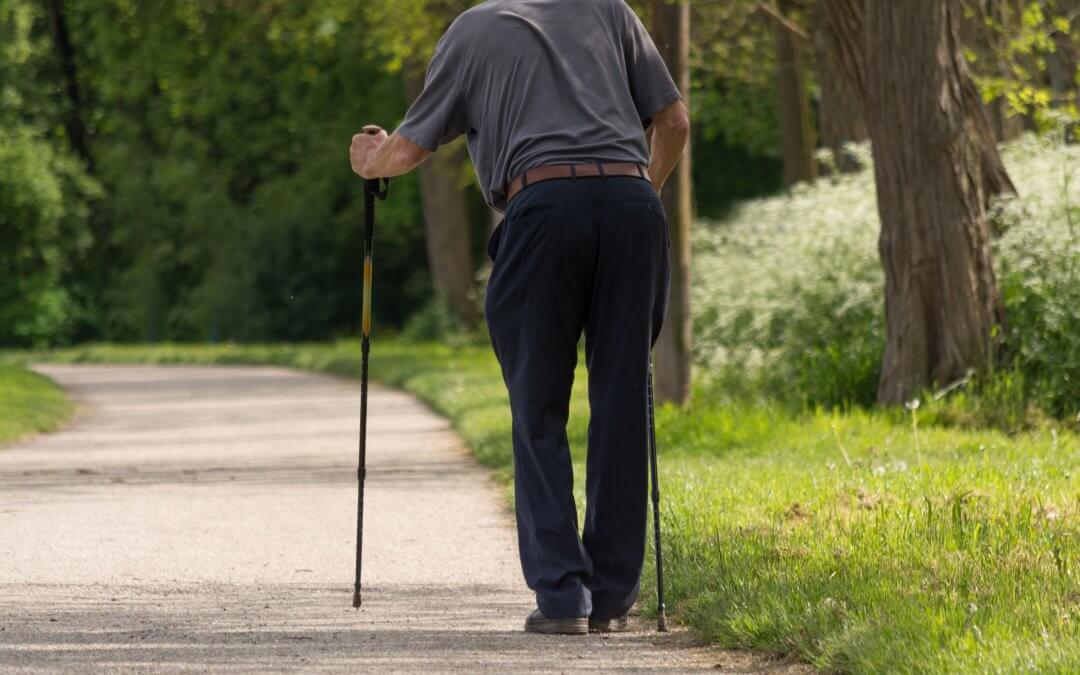
Getting older does not necessarily mean losing independence. However, for some older adults living with frailty, everyday activities may become more challenging.
Ageing frailty is a condition that affects multiple systems in the body and is associated with reduced strength and resilience. This means that relatively minor health events, such as a mild infection or a fall, may have a greater impact on recovery and overall health.[1][2]
Research suggests that between 12% and 24% of older adults are classified as frail, with prevalence increasing with age.[2] In addition, around 45% may be considered pre-frail and at increased risk of progression.[3]
Frailty is associated with reduced mobility, muscle weakness and lower endurance. These changes may limit the range of activities a person is able to carry out, which can affect independence and quality of life.[1][2]
Studies indicate that healthcare use tends to increase with frailty severity, with higher associated costs compared to non-frail individuals.[4] Frailty is also linked to an increased risk of outcomes such as disability, hospitalisation and mortality.
Currently, there are no widely approved pharmacological treatments specifically for ageing frailty. Management typically focuses on supportive approaches, including physical therapy, mobility aids and assistance with daily living.
How could stem cells help with ageing frailty?
Laromestrocel (Lomecel-B) is an investigational stem cell therapy made from mesenchymal stem cells (MSCs) derived from bone marrow donated by healthy adults.
Early research suggests that MSCs release biological factors that may influence processes such as inflammation, blood vessel function and tissue repair. These processes are thought to play a role in ageing and frailty. However, these mechanisms are still being studied and are not yet fully understood in clinical settings.[1]
Ageing frailty has been associated with factors such as chronic low-grade inflammation (“inflammageing”), changes in blood vessel function and a decline in the body’s natural repair processes. Stem cell therapies are being investigated as a possible way to target some of these underlying biological changes, although this has not been established as an effective treatment.
Results from a Phase 2b clinical trial have reported some improvements in measures of physical function and frailty in certain participants. These findings are considered preliminary, and further research is needed to confirm safety, effectiveness and long-term outcomes.[1]
What were the results of the clinical trial?
Researchers found that a single IV infusion of laromestrocel promoted clinically meaningful, dose-dependent increases in physical function and mobility when compared to a placebo.
Trial structure:
- 148 participants aged 70 to 85 with mild to moderate ageing frailty received an infusion.
- Patients were randomly assigned to receive a placebo or a single dose of laromestrocel at 25 million, 50 million, 100 million, or 200 million cells.
- The study was double-blinded, meaning neither the patients nor the clinical staff evaluating them knew who was receiving the stem cell treatment.
Key study findings:
- Mobility improvement: Patients receiving the highest dose (200 million cells) walked 63.4 meters further in a 6-minute walk test than the placebo group at 9 months post-infusion.
- Frailty reduction: By month 9, 30.8% of the patients receiving laromestrocel improved to a “well” status (no longer classified as frail) on the clinical frailty scale, compared to only 14.8% in the placebo group.
- Patient-reported benefits: The improved walk distances significantly correlated with patient-reported improvements in overall physical function, mobility, and upper body function.
- Biological healing: The treatment lowered blood levels of sTIE2, a biomarker linked to vascular dysfunction and inflammation, suggesting biological healing within the blood vessels.
Researchers concluded that these robust improvements make laromestrocel a strong therapeutic candidate for treating hypomobility and frailty in older adults, with future studies planned for extended follow-ups.
Kenneth Rockwood, a geriatrician at Dalhousie University in Halifax, Canada, who created the clinical frailty scale, says that it is “non-trivial” to improve a whole grade in the score, and that this improvement, along with the improvement in the walk test, is “most encouraging”.[5] Dr Daisy Wilson, consultant geriatrician and clinical lecturer at the University of Birmingham’s Department of Inflammation and Ageing, likewise called the results “very promising”.[6]
Beyond ageing frailty, the therapy is being actively researched for other conditions that feature inflammation and vascular dysfunction, including Alzheimer’s disease.
Further studies and larger trials will be needed before this therapy can be approved for widespread clinical use, to determine if improvements are long-lasting, identify whether repeated infusions might have a positive impact, and pinpoint dosage. It is also possible that the therapy may be most, or only, suitable for patients with a high level of vascular dysfunction and inflammation, as highlighted by the sTIE2 biomarker analysis; Dr Wilson suggests that, due to how varied the causes of frailty can be, it could be key to match the right treatment to the right patient.[6]
These findings highlight the potential role stem cells may play in supporting research into mobility and other age-related conditions. As the body’s ability to renew its own stem cells naturally declines with age, the characteristics and age of stem cells may influence how they perform in a therapeutic context, although further research is still needed to better understand these effects.
If you would like to learn more about stem cells and the current science around cord blood banking, you can request a free guide for more information about what cord blood storage involves and the potential ways it may be used in future medical treatments.
References

FIND OUT MORE, REQUEST YOUR WELCOME PACK TODAY
Everything you need to decide about cord blood banking – and, while you decide, Antenatal by Cells4Life: 18 online classes with Cass McNamara, BBC Scotland’s Ask the Midwife, on birth, feeding, newborn care and recovery. It’s free when you request your welcome pack.
Provide your contact details to request:
- Complete Welcome Pack and Parent’s Guide
- Your discount
- save up to £500
on cord blood banking
- Information via email
- Free access to our full 18-class online antenatal course, including a video class on cord blood banking
- A call from one of our specialist advisers

Lesley-Ann Martin, PhD
Chief Scientific Officer at Cells4Life
Dr. Martin holds a PhD in Molecular Biology from the University of Reading and has extensive research experience at the Institute of Cancer Research. She oversees all scientific and laboratory operations at Cells4Life.