

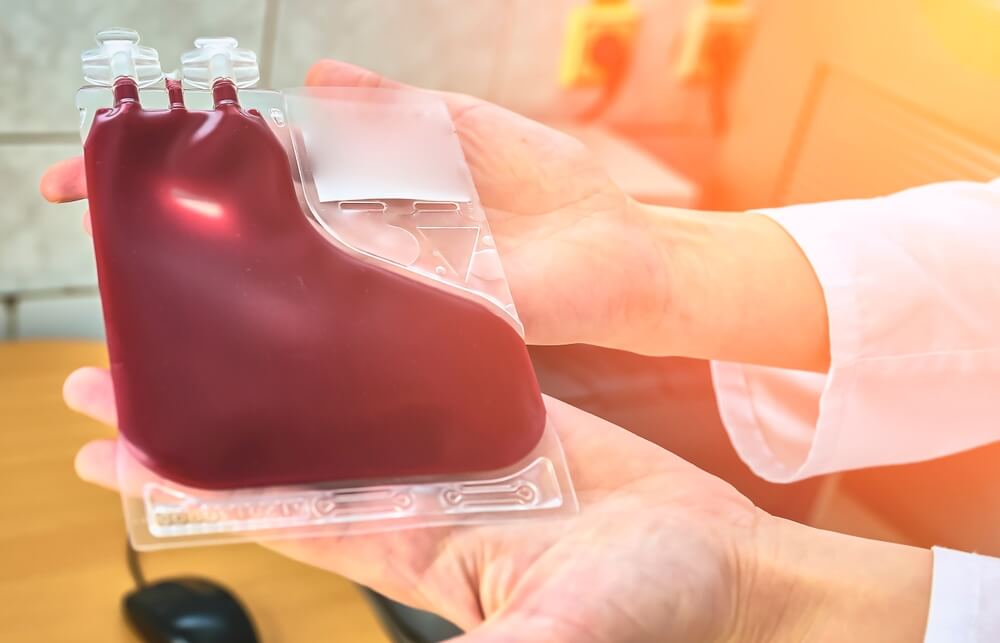
In recent years cord blood banking has become increasingly popular amongst expectant parents but what exactly is cord blood banking and why should you consider it for your family? Cells4Life, the UK’s leading umbilical cord blood stem cell bank, answer their most frequently asked questions.
What is cord blood?
Cord blood is the blood that remains in the placenta and umbilical cord after a baby is born and the umbilical cord is cut. This blood is rich in stem cells, specifically hematopoietic stem cells, which have the potential to develop into various types of blood cells, including red blood cells, white blood cells, and platelets. Hematopoietic stem cells are crucial for the production of blood in the body and play a vital role in the immune system.
Why should I save my baby’s umbilical cord blood?
Cord blood is typically collected immediately after a baby is born and can be stored for future medical use. Collecting cord blood is non-invasive and painless for both the baby and the mother. The collected cord blood is processed, tested, and cryogenically frozen for long-term storage.
Should your baby ever need a stem cell therapy which does not require donor cells to be used, their cord blood is a 100% match[1]. In addition, should a family member need stem cell therapy, banking your baby’s cord blood could increase their chances of a match – for example, a sibling has a 40-60% chance of being a match.
Cord blood can be used in medical treatments to replace damaged or diseased blood and immune system cells in conditions such as leukaemia, lymphoma, and certain auto-immune disorders. These stem cells can help regenerate healthy blood cells and rebuild the immune system after chemotherapy or radiation treatments. Today, donor umbilical cord blood, such as from a sibling, has been used in transplant over 35,000 times, treating more than 80 different conditions; from leukaemia to sickle cell anaemia[2].
In addition to the treatments available today, there is promising research with stem cells in regenerative medicine, which one day could help grow new organs or possibly treat conditions such as Parkinson’s Disease.
While most of this research is at an early stage and outcomes are not yet known, frozen cord blood can be stored indefinitely and could be used well into a donor’s old age. Who knows what medical advancements may be realised in that time.
There is only one chance to store your baby’s cord blood – at birth.
Is cord blood banking compatible with my birth plan?
Cord blood banking is compatible with the following birth choices:
- “Natural” birth
- Caesarean birth
- Multiple Birth
- Home Birth
- NHS hospital birth
- Private hospital birth
- Delayed cord clamping
Many believe delayed cord clamping and umbilical cord blood banking are incompatible. This is not the case. Cells4Life’s exclusive CellsPlus service can yield up to 2.2 times more viable stem cells than their standard service, Cells, which uses the same AXP processing technology trusted by the NHS[3]. Because most therapies require a minimum number of cells for a sample to be used, the number of cells preserved could be crucial.
Should I store privately or donate?
That is a personal choice. However, most hospitals in the UK don’t have the facility to accept cord blood donations, illustrated by the fact that more than 65,000 litres of cord blood are discarded each year in the UK[4]. It will only be used for recognised therapies; anyone who is a match could use it if needed, or for research. You can donate cord blood at the following hospitals:
For Anthony Nolan:
King’s College Hospital, London
Saint Mary’s Hospital, Manchester
Saint Mary’s Hospital, Wythenshawe (Manchester)
For NHSBT:
For Cells4Life Foundation:
When you store your baby’s cord blood in a private family bank, it can be used both for recognised stem cell therapies and clinical trials. The sample can only be used with your child’s or yourself’s expressed consent and will not be made available to the general public. Family banking ensures that your baby has their perfect match ready and waiting should it be needed, helping to maximise their potential opportunities for future use, subject to factors such as clinical trial acceptance.
How do I organise private family cord blood banking?
Organising your baby’s umbilical cord blood storage could not be easier. Visit Cells4Life.com or call 01444 873950.
[1]https://cells4life.com/cord-blood-banking-overview/
[2]https://cells4life.com/cord-blood-banking-overview/stem-cell-treatments/
[4] https://cordbloodaware.org/types-of-cord-blood-bank/