
Key details
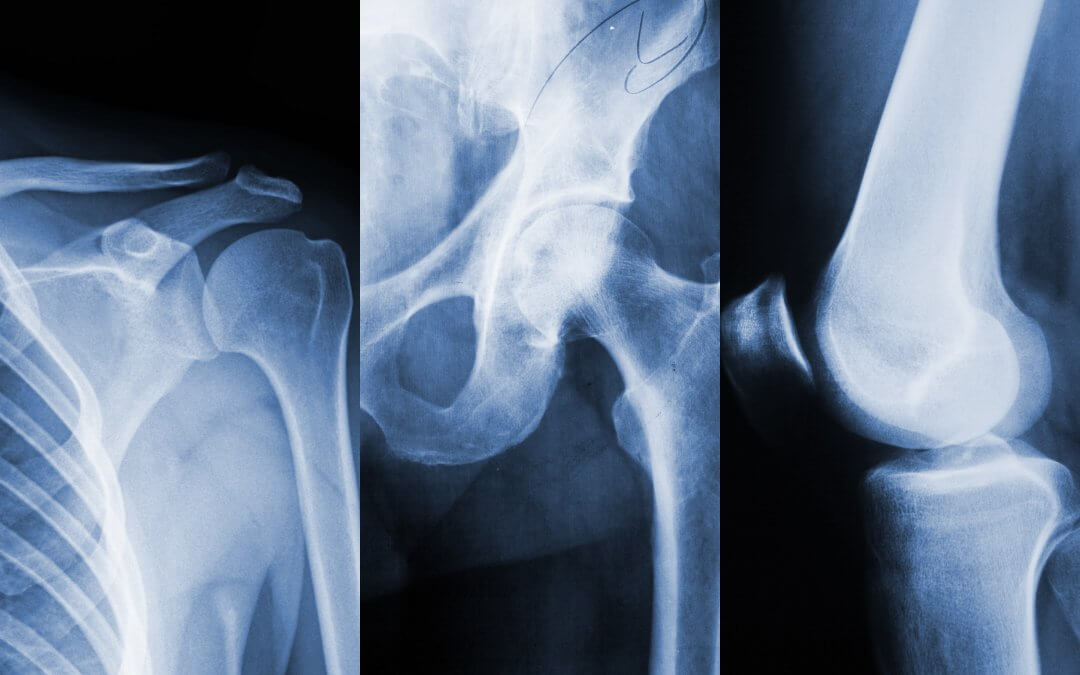
- A new milestone: Iran’s Royan Research Institute has begun treating people with severe osteoarthritis of the knee, hip, and shoulder using stem cells derived from the umbilical cord, with early results reported as promising. [1][2]
- Cord tissue stem cells: The therapy uses mesenchymal stem cells (MSCs): regenerative cells found in umbilical cord tissue – the same type families set aside when they store their baby’s cord tissue. [2]
- A common condition with no cure: Osteoarthritis is the most common form of arthritis, affecting around 8.5 million people in the UK, and there is currently no cure; treatment focuses on managing symptoms. [3][5]
- Early days: The product has been newly authorised and has not yet been fully evaluated in wider clinical use, so it remains a developing therapy. [2]
Iran’s Royan Research Institute has announced that it has started using umbilical cord-derived stem cells to treat patients with severe osteoarthritis affecting the knee, hip, and shoulder. According to Iranian news agencies, the institute reports that its cord stem cell product has reached the stage where it has been authorised to treat arthritis patients, and describes the early results as promising. [1][2] Iran has invested heavily in this field over the past two decades and is now reported to be among the world’s largest centres for umbilical cord blood storage, with hundreds of thousands of samples banked. [6]
What is osteoarthritis, and what are the current treatments?
Osteoarthritis develops when the smooth cartilage that cushions the ends of bones gradually breaks down, leading to pain, stiffness, and reduced movement – most often in the knees, hips, and hands. It is the most common form of arthritis, affecting around 8.5 million people in the UK, and is one of the fastest-growing causes of pain and disability. [3][5] There is currently no cure. On the NHS, treatment focuses on managing symptoms through measures such as staying active, maintaining a healthy weight, pain relief, and physiotherapy, with steroid injections or joint-replacement surgery considered in more advanced cases. [4]
How could stem cells help a worn joint?
Mesenchymal stem cells are a versatile type of stem cell found in several tissues of the body, including umbilical cord tissue. Rather than simply rebuilding lost cartilage, they are thought to work mainly by calming inflammation, helping to regulate the immune response in the joint, and releasing signalling molecules that influence surrounding cells and support the body’s own repair processes. [7][9] The joint is also a relatively contained space, which means cells can be delivered directly to where they are needed – one reason osteoarthritis has become an active focus for this kind of research.
Umbilical cord MSCs have been studied for knee osteoarthritis in other independent clinical trials. In a randomised controlled trial, repeated injections of umbilical cord-derived MSCs were found to reduce pain and improve joint function more than a single dose, and more than hyaluronic acid, a standard joint injection. [8] A systematic review and meta-analysis of randomised trials reached a similar conclusion, finding that umbilical cord MSC injections can reduce pain and improve function in knee osteoarthritis. [9] These findings are encouraging, but most trials so far have generally been small, and larger, longer studies are needed to confirm how well it works and how long the benefit lasts. The same caution applies to the Royan announcement, which reports early clinical experience rather than published trial results.
One cord-derived stem cell therapy for osteoarthritis has already reached the clinic. Cartistem is an off-the-shelf product made from mesenchymal stem cells drawn from allogeneic (donor) umbilical cord blood, developed in South Korea, and it has been approved there for knee cartilage repair in osteoarthritis since 2012. It has since been given to around 40,000 patients, and follow-up of more than 550 people treated at least three years earlier found that fewer than 1% went on to need knee-replacement surgery. [11] In 2026, a Phase 3 trial in Japan reported that Cartistem improved both pain and the condition of the joint cartilage more than a standard hyaluronic acid injection; MEDIPOST, the company producing the therapy, has stated their intention to apply for marketing approval in the country based on the trial results. [11] [12] A Phase 3 trial for Cartistem is now also under way in the United States, with the first patient having been treated; patient enrolment and treatment is expected to take about two years, plus a further two years of follow-up to evaluate results. The FDA has agreed that data from this study, if it is successful, can serve as the basis for an application to sell the therapy in the US, with data from prior Phase 3 trials in South Korea and Japan, along with real-world evidence from South Korea, serving as supporting evidence. [12] [13] [14] Once Japan and US approvals are secured, MEDIPOST intends to expand into Europe and China as well. [12]
What this means for parents who store cord tissue
Mesenchymal stem cells are the regenerative cells at the heart of this research, and umbilical cord tissue is one of the richest and most accessible sources of them. [7][10] Unlike fat or bone marrow, cord tissue can only be collected once – in the moments after birth. Storing it preserves a matched sample of your child’s own stem cells, keeping future options open should suitable treatments become available and clinically appropriate. As research like the work in Iran continues to grow, it is an option more families are choosing to keep open.
To learn more about umbilical cord stem cells and how you can preserve them, fill in the form below to request your free Cells4Life Welcome Pack.
References
[1] Azad News Agency (ANA). “Iran’s Royan Research Institute Using Umbilical Cord Stem Cells to Treat Arthritis.” 2026. https://ana.ir/en/news/9848
[2] Fars News Agency. “Iran Approves First Domestic Umbilical Cord Stem Cell Therapy for Osteoarthritis.” 22 June 2026. https://farsnews.ir/Sayeh/1782041476442529127/Iran-Approves-First-Domestic-Umbilical-Cord-Stem-Cell-Therapy-for-Osteoarthritis
[3] Versus Arthritis. (2022). Not just a touch of arthritis: Tackling osteoarthritis – the UK’s leading cause of pain and disability. https://www.arthritis-uk.org/policy-and-data/report-not-just-a-touch-of-arthritis/
[4] NHS. “Osteoarthritis – Treatment.” nhs.uk. https://www.nhs.uk/conditions/osteoarthritis/treatment/
[5] NHS. “Osteoarthritis.” https://www.nhs.uk/conditions/osteoarthritis/
[6] Press TV. (2025, November 17). Iran stem cell revolution: Rise as global leader in cord blood storage, regenerative medicine. https://www.presstv.ir/Detail/2025/11/17/758990/iran-stem-cell-revolution-rise-global-leader-cord-blood-storage-regenerative-med
[7] Nagamura-Inoue, T., & He, H. (2014). Umbilical cord-derived mesenchymal stem cells: their advantages and potential clinical utility. World Journal of Stem Cells, 6(2), 195–202. https://doi.org/10.4252/wjsc.v6.i2.195
[8] Matas, J., et al. (2019). Umbilical cord-derived mesenchymal stromal cells (MSCs) for knee osteoarthritis: repeated MSC dosing is superior to a single MSC dose and to hyaluronic acid in a controlled randomized phase I/II trial. Stem Cells Translational Medicine, 8(3), 215–224. https://pubmed.ncbi.nlm.nih.gov/30592390/
[9] Effects of the umbilical cord mesenchymal stem cells in the treatment of knee osteoarthritis: a systematic review and meta-analysis (2024). PubMed Central, PMC11575993. https://www.ncbi.nlm.nih.gov/pmc/articles/PMC11575993/
[10] Raposo, L., Lourenço, A. P., Nascimento, D. S., Cerqueira, R., Cardim, N., & Leite-Moreira, A. (2021). Human umbilical cord tissue-derived mesenchymal stromal cells as adjuvant therapy for myocardial infarction: A review of current evidence focusing on pre-clinical large animal models and early human trials. Cytotherapy, 23(11), 974–979. https://doi.org/10.1016/j.jcyt.2021.05.002
[11] Seoul Economic Daily. (2026, May 13). Medipost’s Cartistem succeeds in Japan Phase 3 trial, eyes 2028 launch. https://en.sedaily.com/culture/2026/05/13/mediposts-cartistem-succeeds-in-japan-phase-3-trial-eyes
[12] Chosun Biz. (2026, July 8). Medipost starts US phase 3 trial of Cartistem to expand from Korea. https://biz.chosun.com/en/en-science/2026/07/08/TRANY7ZFQFHQHLNP7BPTQAN6XM/
[13] Korea Biomedical Review. (2026, June 5). MEDIPOST cuts US Cartistem trial size after FDA backs single-study approval strategy. https://www.koreabiomed.com/news/articleView.html?idxno=31916
[14] PR Newswire. (2026, July 8.) MEDIPOST Inc. Treats First U.S. Participant in Phase III Trial of Umbilical Cord Stem Cell Therapy for Symptomatic Cartilage Defects Due to Knee Osteoarthritis. https://www.prnewswire.com/apac/news-releases/medipost-inc-treats-first-us-participant-in-phase-iii-trial-of-umbilical-cord-stem-cell-therapy-for-symptomatic-cartilage-defects-due-to-knee-osteoarthritis-302820199.html

FIND OUT MORE, REQUEST YOUR WELCOME PACK TODAY
Everything you need to decide about cord blood banking – and, while you decide, Antenatal by Cells4Life: 18 online classes with Cass McNamara, BBC Scotland’s Ask the Midwife, on birth, feeding, newborn care and recovery. It’s free when you request your welcome pack.
Provide your contact details to request:
- Complete Welcome Pack and Parent’s Guide
- Your discount
- save up to £500
on cord blood banking
- Information via email
- Free access to our full 18-class online antenatal course, including a video class on cord blood banking
- A call from one of our specialist advisers