
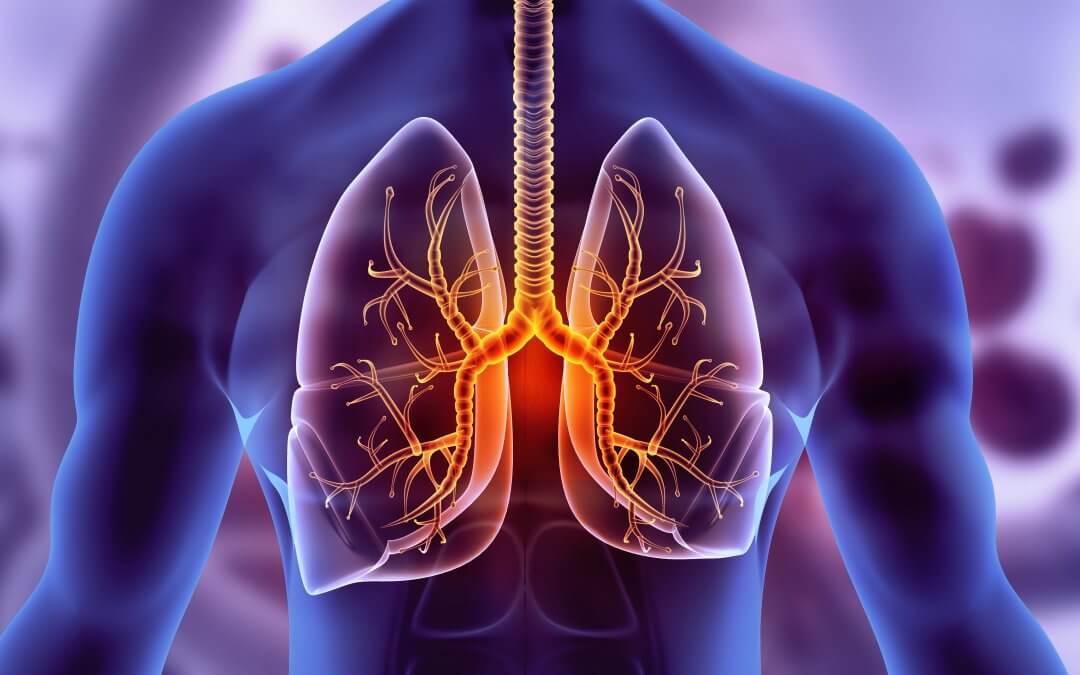
- The condition: Idiopathic pulmonary fibrosis is a progressive scarring disease of the lungs that mainly affects older adults. Thousands of people are newly diagnosed in the UK each year, and studies of health records show the condition is becoming more common [1].
- The gap: There is no cure – current antifibrotic medicines can slow the scarring, but they cannot stop or reverse it [2].
- The trial: In a Chinese phase 1 clinical trial, nine patients received three intravenous infusions of VUM02, a therapy made from mesenchymal stem cells derived from donated umbilical cord tissue [3, 4].
- The finding: The infusions showed a favourable safety profile with no dose-limiting side effects. Early hints of stabilised lung function were exploratory and need confirming in controlled trials [3].
What Is Idiopathic Pulmonary Fibrosis?
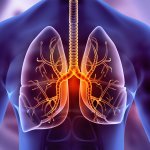
Idiopathic pulmonary fibrosis, often shortened to IPF, is a disease in which the delicate tissue of the lungs becomes progressively scarred and stiff. As the scarring – known as fibrosis – spreads, the lungs struggle to move oxygen into the blood, causing worsening breathlessness and a persistent cough. The word idiopathic means the cause is unknown, and the condition mainly affects people over 70 [2]. UK studies show thousands of new diagnoses each year, with numbers rising [1].
Two antifibrotic medicines are available that can slow the decline, but nothing currently stops the scarring or repairs the damage, so researchers have been searching for treatments that work differently [2, 3].
How Could Cord Tissue Stem Cells Help?
Mesenchymal stem cells are being studied in fibrotic diseases because they release signals that damp inflammation, discourage scar formation, and support tissue repair [3]. Cells derived from umbilical cord tissue are a particularly attractive source: they are young, plentiful, easy to collect at birth, and well tolerated when given to unrelated patients [3, 5].
In laboratory and animal studies, umbilical cord-derived cells eased lung scarring partly by re-programming macrophages – the immune cells that help drive fibrosis – towards a repair-friendly state [6].
What Did The Trial Find?
The trial, known as DEVIF-I, was a phase 1, open-label, dose-escalation study run at hospitals across China and sponsored by Vcanbio, the developer of VUM02 [4]. Nine adults with IPF each received three intravenous infusions, given on days 0, 3, and 6, at one of three dose levels: 50, 100, or 200 million cells per infusion. Participants were then followed for 24 weeks [3, 4].
The headline findings, reported in mid-2026, were about safety [3]:
- No dose-limiting toxicity at any of the three dose levels, and the side effects recorded were mostly mild to moderate [3].
- Six serious adverse events occurred during follow-up, but all were judged unrelated to the cell therapy [3].
- Exploratory signals of stability. At 24 weeks, the highest-dose group’s forced vital capacity – the total amount of air a person can breathe out – had risen slightly rather than fallen, and the low-dose group showed improved gas transfer [3].
Those efficacy signals deserve real caution: they come from a handful of patients, with no comparison group, in findings reported ahead of full peer review [3]. In a disease where steady decline is the rule, however, even hints of stability are considered worth pursuing [3].
What Happens Next?
The trial was completed in 2025, and the natural next step is a larger, randomised, controlled study to test whether the early signals hold up [3, 4]. VUM02 is not alone: a separate Chinese phase 1/2a trial of a single-dose umbilical cord cell therapy for IPF is also under way, and mesenchymal stem cells are being investigated for fibrotic lung disease by research groups internationally [6, 7].
What Does This Mean For Families Storing Cord Tissue?
The cells in this trial were grown from donated umbilical cord tissue – the same tissue, rich in mesenchymal stem cells, that families can choose to store when their baby is born [5]. Seeing cord tissue cells complete a human safety trial in one of medicine’s most stubborn lung diseases is an encouraging signal of where this cell family is heading.
Your baby’s birth marks the beginning of a future full of possibilities. It also offers a unique opportunity to store their cord tissue, preserving a young source of mesenchymal stem cells for potential future use. Banking preserves the opportunity to explore their use as research develops. To discover more about cord tissue banking, fill in the form below to request your free welcome pack.
References
- Strongman, H., Kausar, I., & Maher, T. M. (2018). Incidence, prevalence, and survival of patients with idiopathic pulmonary fibrosis in the UK. Advances in Therapy, 35(5), 724–736. https://doi.org/10.1007/s12325-018-0693-1
- NHS. Idiopathic pulmonary fibrosis. https://www.nhs.uk/conditions/idiopathic-pulmonary-fibrosis/
- Pulmonology Advisor (2026). Repeated UC-MSC infusions show favorable safety profile in IPF. https://www.pulmonologyadvisor.com/news/repeated-uc-msc-infusions-show-favorable-safety-profile-in-ipf/
- ClinicalTrials.gov. Study record NCT06230822: safety, tolerability and efficacy of VUM02 injection in treatment of idiopathic pulmonary fibrosis (DEVIF-I). https://clinicaltrials.gov/study/NCT06230822
- Nagamura-Inoue, T., & He, H. (2014). Umbilical cord-derived mesenchymal stem cells: Their advantages and potential clinical utility. World Journal of Stem Cells, 6(2), 195–202. https://doi.org/10.4252/wjsc.v6.i2.195
- Li, M., Li, J., Wang, Y., et al. (2024). Umbilical cord-derived mesenchymal stem cells preferentially modulate macrophages to alleviate pulmonary fibrosis. Stem Cell Research & Therapy, 15, 475. https://doi.org/10.1186/s13287-024-04091-7
- ClinicalTrials.gov. Study record NCT05468502: phase I/IIa clinical trial of human umbilical cord mesenchymal stem cell injection in the treatment of idiopathic pulmonary fibrosis. https://clinicaltrials.gov/study/NCT05468502

FIND OUT MORE, REQUEST YOUR WELCOME PACK TODAY
Everything you need to decide about cord blood banking – and, while you decide, Antenatal by Cells4Life: 18 online classes with Cass McNamara, BBC Scotland’s Ask the Midwife, on birth, feeding, newborn care and recovery. It’s free when you request your welcome pack.
Provide your contact details to request:
- Complete Welcome Pack and Parent’s Guide
- Your discount
- save up to £500
on cord blood banking
- Information via email
- Free access to our full 18-class online antenatal course, including a video class on cord blood banking
- A call from one of our specialist advisers