

Key details
New for mums: Cells4Life can now store stem cells from your side of the placenta, the decidua. We’re the only UK bank to store mum’s own stem cells at birth.
Stored for you: Everything else you store at birth – cord blood, cord tissue, amnion and Placental Cells – is for your baby. This one’s for you.
Nothing changes on the day: Your placenta simply goes into your collection kit with your baby’s samples.
Early days: Research into these cells is at an early stage, and every clinical trial so far has used donor cells.
What is Mum’s Stem Cells?
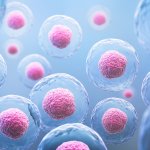
Your placenta has two sides – baby’s and yours – and both contain powerful regenerative cells. As the UK’s only placenta bank, we already store the amnion and Placental Cells from your baby’s side, for your baby. Now we can store the stem cells from your side for you.
What is the decidua?
The decidua is your side of the placenta. It grows from the lining of your womb during pregnancy, comes away with the placenta at birth and is normally thrown away.
It grew from you, so the stem cells in it are your own. Your cells are your cells – a perfect genetic match for you, with no risk of rejection where your own stem cells can be used.
What does the research show?
Your side of the placenta holds decidual mesenchymal stromal cells (MSCs), the stem cells we store [SOURCE NEEDED]. In the lab, they calm immune responses and reduce inflammation [SOURCE NEEDED].
Around ten clinical trials of decidual cells are registered on ClinicalTrials.gov, and none has reached Phase 3. Most are early trials in graft-versus-host disease (GvHD), a serious complication of stem cell transplants. One is an early trial in lung injury (ARDS).
Research in multiple sclerosis and heart damage is at the lab and animal stage [SOURCE NEEDED], and in inflammation and wound healing at the lab stage.
Every trial so far has used donor cells, and there are no published cases of anyone being treated with their own stored decidual cells.
How does it work?
Adding Mum’s Stem Cells to your cord blood banking service doesn’t alter the process on the day. Once your placenta is delivered, it goes into your collection kit with your baby’s samples, and our courier brings it to us.
Our laboratory, licensed by the Human Tissue Authority, separates the decidua, processes its stem cells and stores them for you. Mum’s Stem Cells is fully compatible with delayed and optimal cord clamping, as your placenta is collected after it’s delivered.
They’re your stem cells, so you give your own consent – when you book, before the birth or on our call within 72 hours of your baby’s birth, as long as your placenta was collected.
How much does Mum’s Stem Cells cost?
Mum’s Stem Cells is £700, then £145 a year, when your plan includes cord blood and cord tissue. First year’s storage included.
Already booked? Call us on 01444 873950 to add it to your plan.
What this means for you
Your side of the placenta can only be collected once – in the moments after birth. With Mum’s Stem Cells, its stem cells are stored for you.
Now you can save your stem cells at birth too, Mum – only with Cells4Life.
To learn more about Mum’s Stem Cells, fill in the form below to request your welcome pack.
References
- ClinicalTrials.gov, searched 7 October 2026; published lab and animal studies [SOURCE NEEDED].
FIND OUT MORE, REQUEST YOUR WELCOME PACK TODAY
Everything you need to decide about cord blood banking – and, while you decide, Antenatal by Cells4Life: 18 online classes with Cass McNamara, BBC Scotland’s Ask the Midwife, on birth, feeding, newborn care and recovery. It’s free when you request your welcome pack.
Provide your contact details to request:
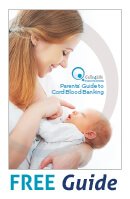
- Complete Welcome Pack and Parent’s Guide
- Your discount
- save up to £500
on cord blood banking
- Information via email
- Free access to our full 18-class online antenatal course, including a video class on cord blood banking
- A call from one of our specialist advisers