Jan 10, 2025 | Blog, Diabetes, News, Stem Cell News, Stem Cell Therapies
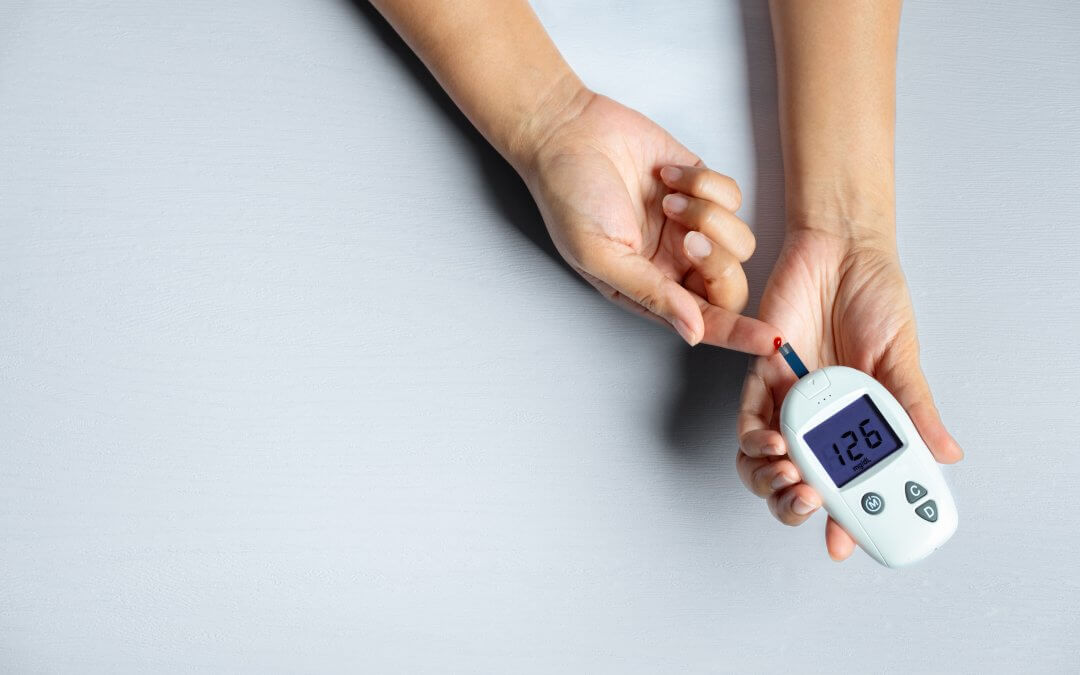
A 25-year-old woman from China is the first in the world to have been cured from type 1 diabetes, following an injection of islet cells derived from her own reprogrammed stem cells. The study, published in the Cell journal, offers real hope to the millions of people...
Jan 6, 2025 | Blog, News, Uses for Placenta
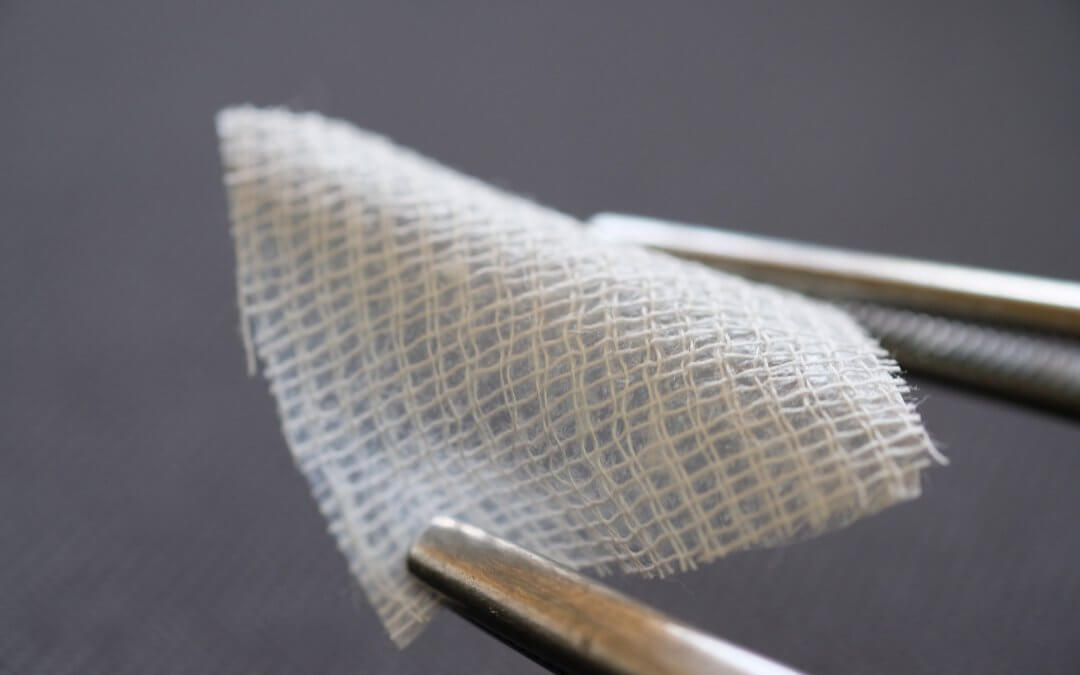
After a nick caused by a small shard of glass went unnoticed, Canadian Ron Williams developed a deep, infected wound spanning from the heel to the middle of his foot. Even after six months of hospital treatment, the wound wouldn’t heal; if the infection had persisted,...
Dec 20, 2024 | Blog, News, Skeletal Diseases and Injuries, Stem Cell News, Stem Cell Therapies, Uses for Cord Blood
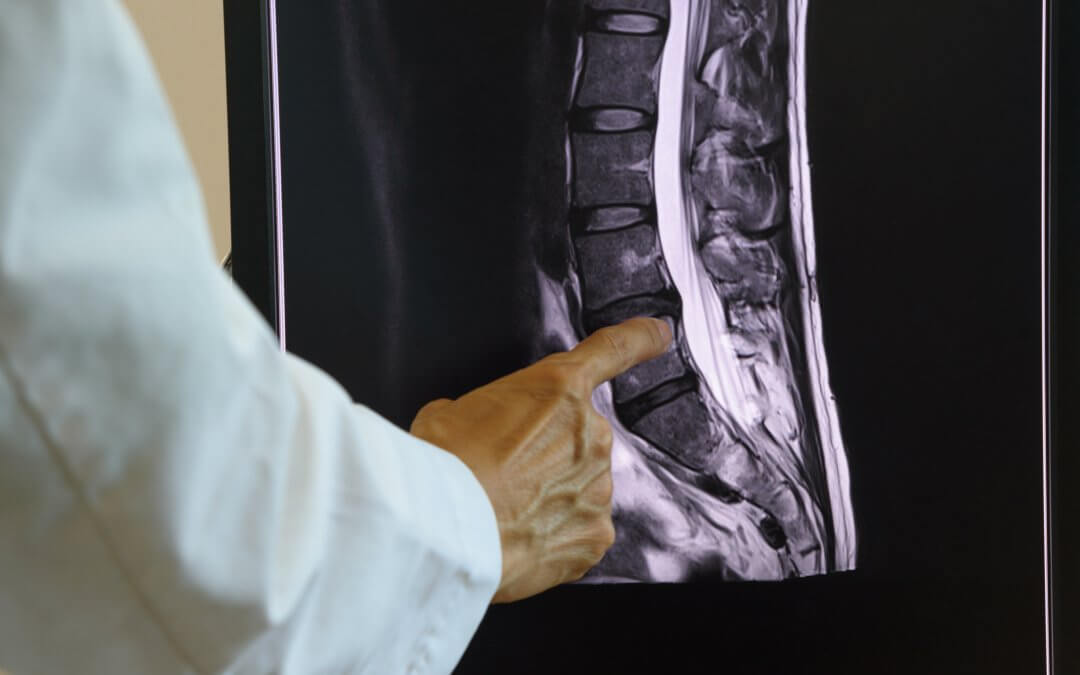
A new study on the effectiveness of treatment for spinal cord injuries indicates that a combination therapy, including epidural electrical stimulation (EES) as well as neural stem cells and umbilical cord stem cells, may offer better results than any one treatment on...
Dec 13, 2024 | Blog, News, Skeletal Diseases and Injuries, Stem Cell News, Stem Cell Therapies
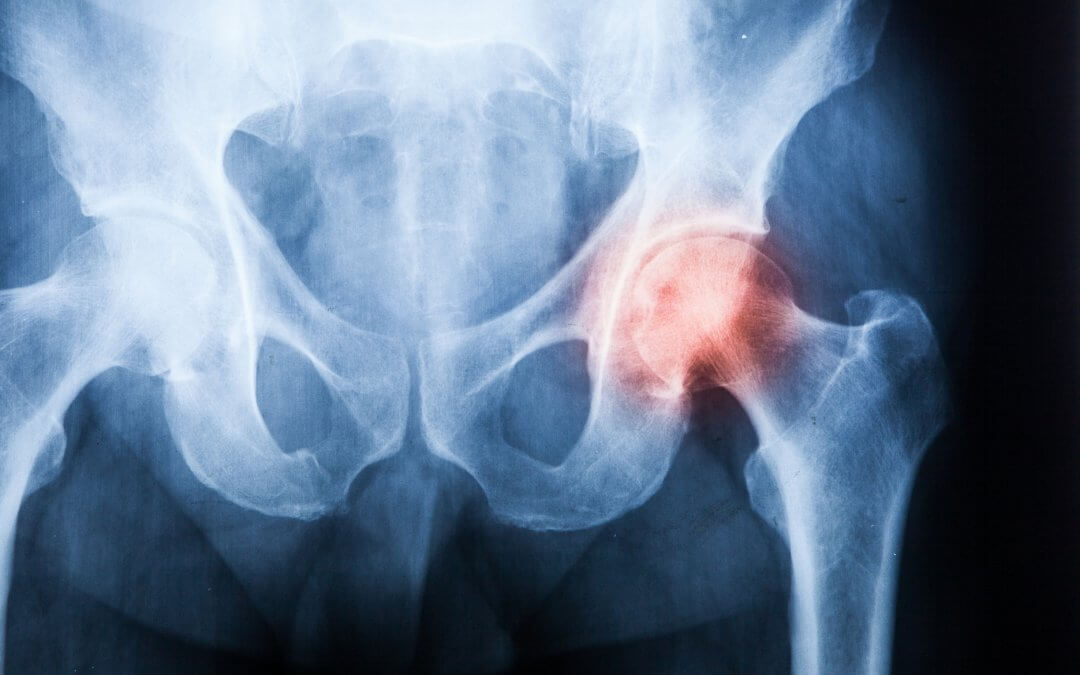
England flanker Tom Curry is undergoing stem cell therapy as a follow-up to last year’s career-saving surgery.[1] Suffering from chronic hip pain and reduced range of motion, Curry was diagnosed with femoroacetabular impingement syndrome, where the ball of the hip...
Nov 15, 2024 | Blog, News, Stem Cell News, Uses for Cord Blood
Today marks World Cord Blood Day—a day dedicated to highlighting the medical breakthrough that began 36 years ago, in 1988, with a single transplant. That cord blood transplant opened the door to a new era in medicine. Since then, stem cells from cord blood have...
Nov 11, 2024 | Blog, Eye Conditions, News, Stem Cell News, Stem Cell Therapies, Uses for Cord Blood
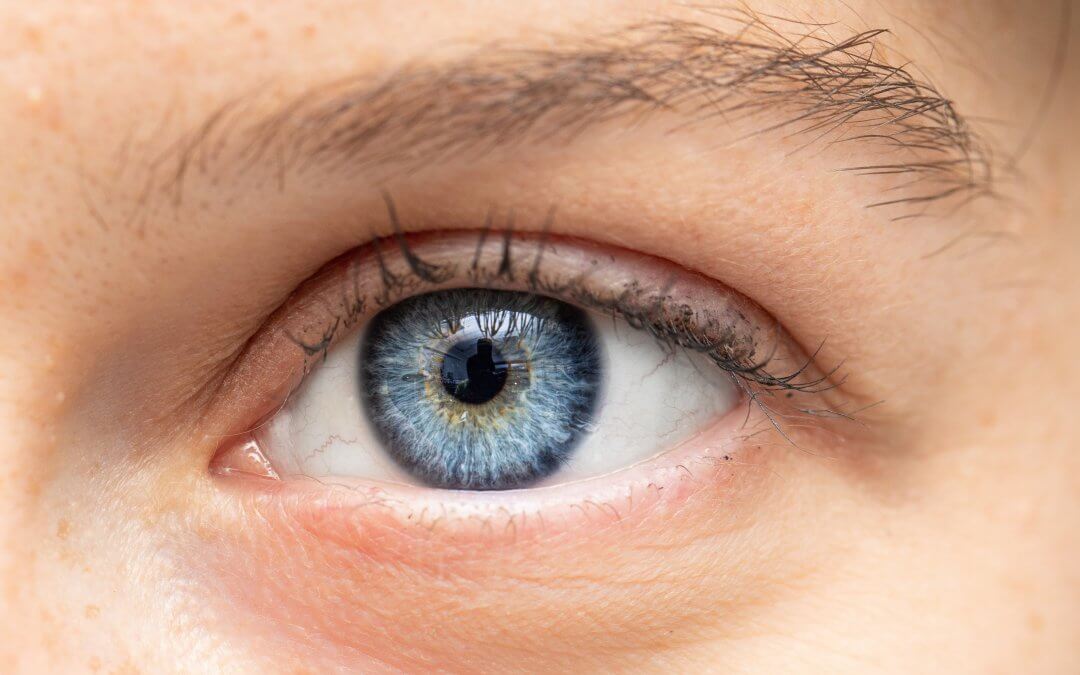
A recent study published in the Lancet journal has shown that stem cells have been used to bring about significant improvements in vision in what’s being heralded as a world first. The stem cell treatment focused on the repair of the cornea which becomes damaged in...



 How Long Can Stem Cells Stay Frozen? New Study Finds Cells Still Working After 13 Years
 First US Patient Treated in Phase 3 Trial of Cord Blood Stem Cell Therapy for Knee Osteoarthritis
 Could a Blood Test at 12 Weeks Predict Pre-eclampsia?
 Could Sibling Cord Blood Help a Child With Cerebral Palsy?
 Cord Tissue Stem Cell Therapy for Pulmonary Fibrosis Completes First Human Safety Trial