
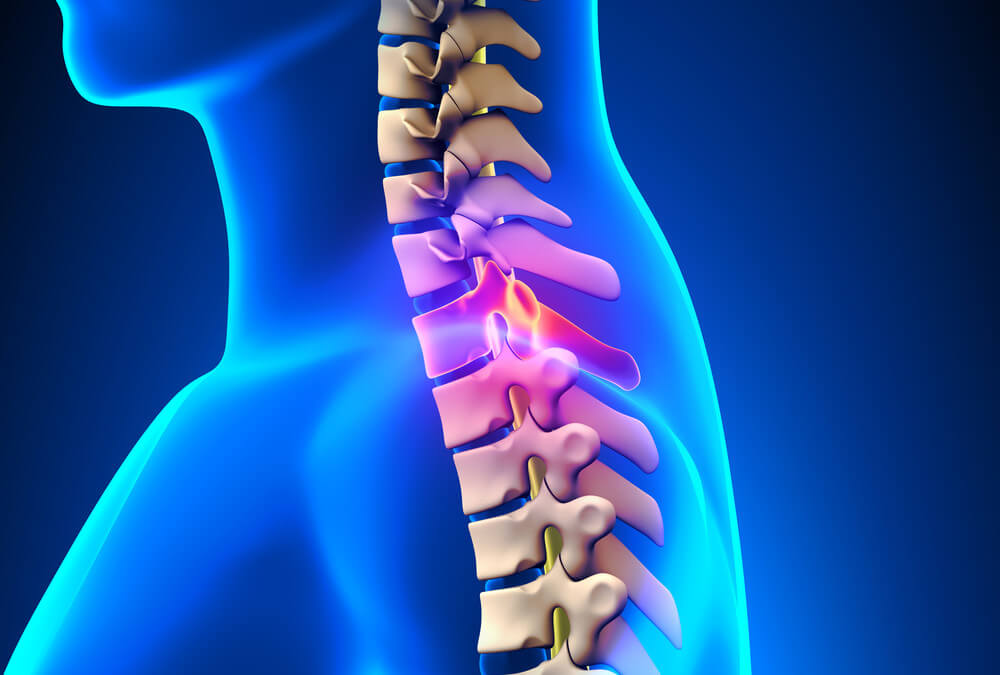
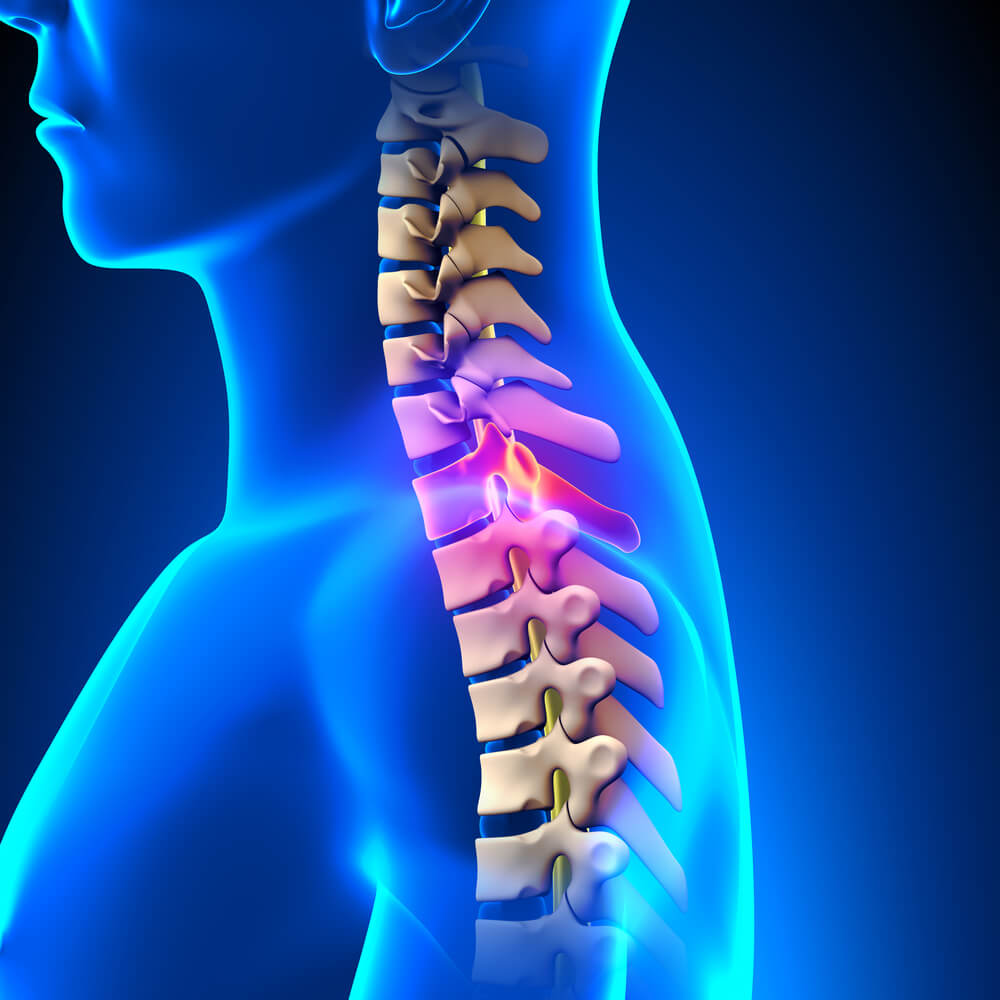
Kris and his family were told that his paralysis would be permanent, however they put their faith in a clinical trial investigating the potential of reversing the damage using regenerative medicine. The experimental treatment involved an injection of stem cells directly into Kris’s spinal cord and took place earlier this year.
Under normal circumstances Kris would have undergone surgery to stabilise his injured spine, but it would have done little to help regenerate the damaged nerve cells restore motor or sensory function, this was the purpose of the stem cell injection. Charles Lui, director of the USC Neurorestoration Center who is leading the study explained:
Just two short weeks after having stem cells administered into his spine Kris began to show signs of improvement and within three months was able to use his mobile phone, feed himself and hug family and friends again. The improved sensation and movement in his arms and hands has allowed him to become more independent – a prospect that did not seem possible at one stage.
Source: USC News
Regenerative medicine – the future of medicine
Regenerative therapies have long been considered the future of medicine, and clinical trials investigating their potential for the treatment of neurological damage across a variety of conditions from paralysis to cerebral palsy are ongoing. It has been estimated that 1 in 3 people may benefit from a regenerative therapy. The stem cells found in the umbilical cord are one of the richest and most potent sources available and parents have just one opportunity to store them following the birth of their baby through cord blood banking.