
World Cancer Day takes place this year on 4th February. A day of global unity, dedicated to raising awareness about cancer, World Cancer Day also plays an important part in dispelling myths about cancer, in addition to promoting early detection and prevention.
This year’s World Cancer Day theme is ‘Close the Care Gap’, referring to the gap between the level of care received by privileged vs underprivileged cancer patients.
On this significant day, we’re invited not only to reflect on the impact of cancer but also asked to consider how care outcomes for a cancer diagnosis could be improved.
One such way is through cord blood banking. Donor cord blood is already being used in over 80 treatments, including for leukaemia, and scientists are investigating its future potential in many other areas.
In this blog, we will delve into the importance of cord blood banking and how it is offering hope in the fight against cancer.
Understanding Cord Blood Banking
Cord blood banking involves the collection and preservation of the residual blood from the newborn umbilical cord following birth.
This precious resource contains powerful stem cells that can develop into various specialised cells, such as the ones in hair, skin, organs, blood and the nervous system.
Their unique abilities to self-replicate and differentiate positions them at the forefront of regenerative medicine, a branch of medicine that is investigating stem cells’ potential capacity to repair, renew and regrow cells and tissues to treat a range of diseases. [1]
The Potential Benefits of Cord Blood Banking
Cord blood stem cells are used in approved therapies for over 80 diseases, including leukaemia, neuroblastoma, and certain immune disorders. Many of these treatments currently routinely use donor (allogeneic) stem cells.
These stem cells’ relative naivety and plasticity when compared to stem cells derived from other sources makes them some of the purest and most powerful forms of stem cell available.
Cord blood stem cells are a 100% match for your baby. This provides a personal supply of matching cells, although it is important to understand that for genetic conditions, these cells would typically require gene therapy to be used. They also have a good chance of being a perfect match for siblings and a partial match for family members, offering a safer and more accessible option for transplantation.
A painless and non-invasive procedure, cord blood collection is safe, non-invasive and poses little to no risk to the mother or baby.
As medical research advances, the potential uses of cord blood stem cells continue to expand.
Researchers are exploring their use in regenerative therapies that seek to harness the potential of these stem cells in order to combat diseases that are currently incurable, including some forms of cancer. [2]
Promoting Cord Blood Banking on World Cancer Day
World Cancer Day provides an ideal platform to educate expectant parents and the general public about some of the most pioneering research happening to combat cancer, amongst them: cord blood banking.
Understanding the potential lifesaving impact of this resource is the first step in motivating more families to consider this option.
World Cancer Day reminds us of the global challenge posed by this disease, but it also presents an opportunity to promote hope and innovative solutions.
Cord blood banking is one such resource that has the potential to help in the battle against cancer should current research become clinical reality.
Sarah’s Story
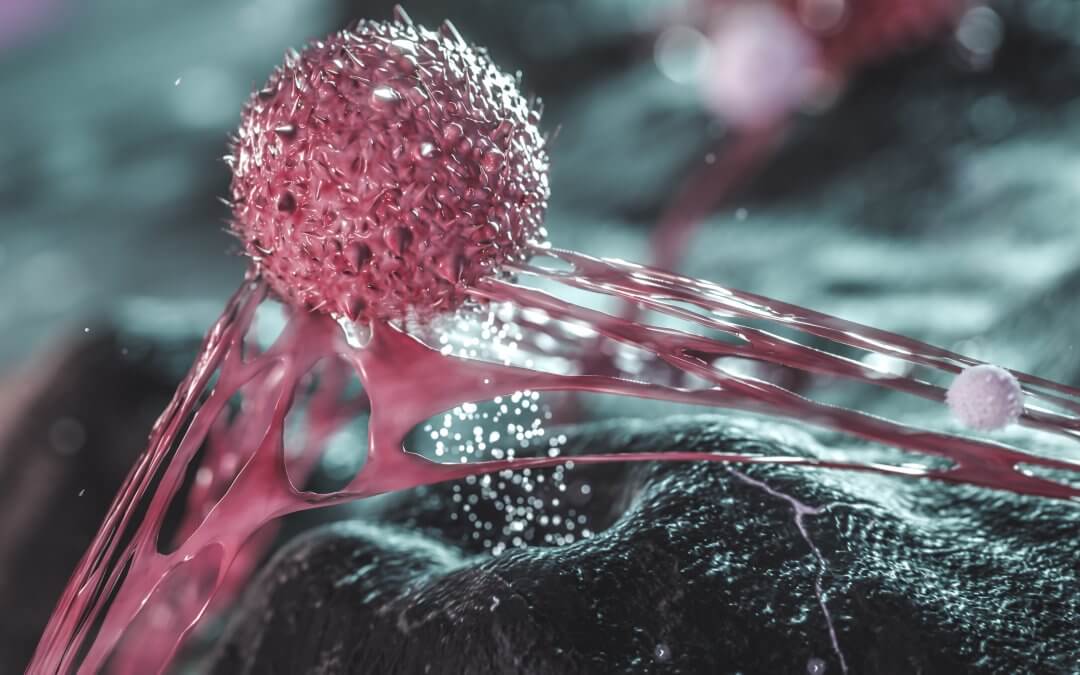
For eight year old Sarah, for instance, cord blood banking was a vital hope after both chemotherapy and a bone marrow transplant proved ineffective in the treatment of her acute myeloid leukaemia. [3]
A form of cancer that attacks the monocyte or granulocyte cells, naive progenitor white blood cells from bone marrow, acute myeloid leukaemia predominantly affects children and young people.
Chances of a full recovery are rarely good.
Having undergone a bone marrow transplant from her brother, Sarah initially showed promising signs of recovery, until the cancer returned.
Rounds of emergency chemotherapy were required to try to keep the cancer at bay, but it continued to return.
Seeing no other option for Sarah, doctors at the Royal Manchester Children’s Hospital offered her a pioneering experimental stem cell transplant using donated cord blood.
Thanks to this experimental treatment, Sarah and five other children who also participated in the trial, are now in remission; their access to a healthy, happy life restored to them.
Although this transplant was the result of donation, privately banking cord blood stem cells means that your baby has a personal supply of their own matching cells. This may reduce the risk of rejection should they ever need to access a therapy in future like Sarah’s, though its use would depend on the specific condition and the volume of cells collected.
With thousands of clinical trials currently underway to explore the potential uses for umbilical cord blood stem cells in a range of regenerative treatments, storing these precious cells the day baby is born is a way to help prepare them for the future of medicine.
For more information about the potential of cord blood banking, download your FREE Welcome Pack below.
Sources

FIND OUT MORE, REQUEST YOUR WELCOME PACK TODAY
All you need to know to make an informed decision.
Provide your contact details to request:
– Complete Welcome Pack and Parent’s Guide
– Information via email
– Contact from our specialist advisors