
Key details
- The Burden of Acute Respiratory Distress Syndrome (ARDS): ARDS is a life-threatening condition with a mortality rate of 27-45% that often results in a lengthy recovery period and long-term quality of life issues.
- Safety Profile: Clinical trials have consistently shown that stem cell therapy is safe and well-tolerated, with no increase in adverse events compared to control groups, even at high dosages.[1][2]
- Significant Mortality Reduction: A comprehensive review of 48 studies involving 1,773 patients indicates that mesenchymal stem cells (MSCs) and extracellular vesicles (EVs) are associated with a significant reduction in all-cause mortality for ARDS patients.[2]
- Cause-Dependent Efficacy: While MSCs show strong potential for COVID-19-induced ARDS due to their anti-inflammatory properties, efficacy may vary for ARDS caused by sepsis, trauma, or pneumonia.[1]
What is Acute Respiratory Distress Syndrome (ARDS)?
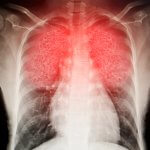
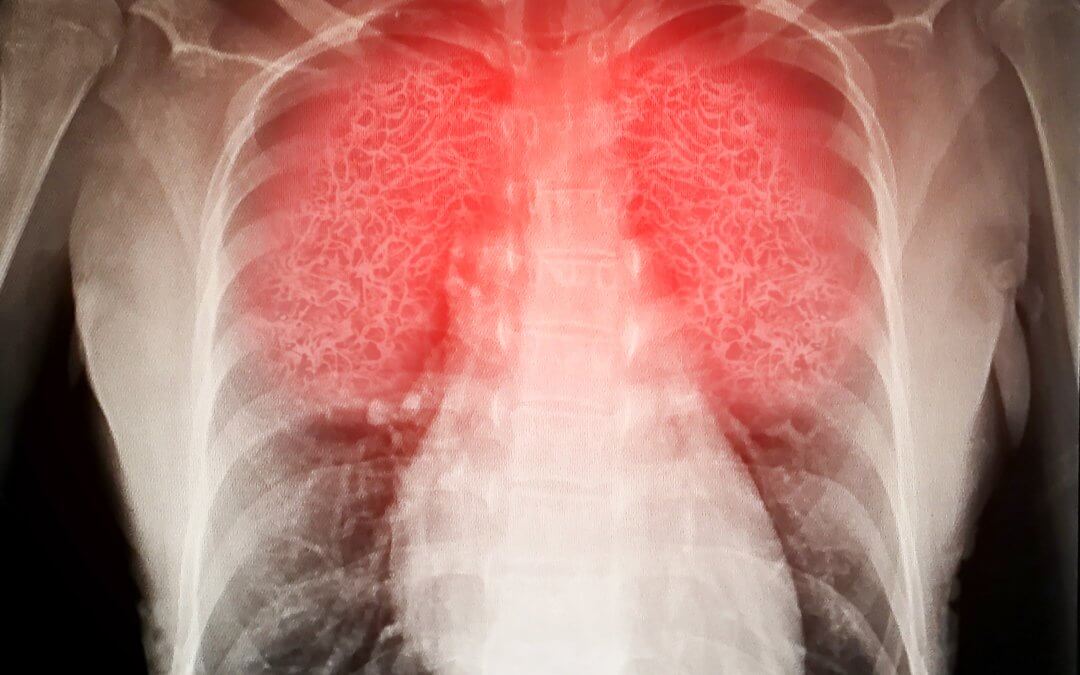
Acute Respiratory Distress Syndrome (ARDS) is a life-threatening condition where the lungs become severely inflamed and fill with fluid, preventing sufficient oxygen from reaching the body’s organs.[3][4]
To understand ARDS, it helps to understand how healthy lungs function:
- Healthy function: Small sacs called alveoli fill with air, transferring oxygen into the blood and removing carbon dioxide.[5]
- ARDS dysfunction: Inflammation causes the membrane protecting the alveoli to break down, allowing fluid to leak in. This prevents the lungs from filling with enough air, leading to hypoxia (low oxygen levels).[3][4]
ARDS generally develops within a few hours to a few days of the illness or injury that caused it, and can worsen quite rapidly. It’s a dangerous, life-threatening condition with severe implications:
- High mortality: ARDS has a mortality rate ranging between 27-45%, depending on severity.
- Organ failure: Hypoxia means that organs do not get the oxygen they need to work correctly.
- Cognitive issues: Hypoxia also affects and damages the brain.
- Long-term recovery: Survivors often face a worse quality of life due to lung trauma from mechanical ventilation, muscle wasting, and bedsores caused by lengthy hospital stays. Generally, the recovery period is lengthy.[5][6]
How effective are stem cells for treating ARDS?
Recent systematic reviews indicate that stem cell therapies are emerging as a promising supportive treatment that may reduce mortality.
A major review published in the Stem Cell Research & Therapy journal combined data from 48 studies on stem cell therapy for ARDS, involving a total of 1,773 patients. Of these studies, 31, comprising 1,321 patients, were similar enough in structure that the data could be pooled and analysed together; the remaining 17, consisting of single-arm studies, case reports, and case series studies, were described in a narrative analysis instead.
The majority of the studies focused on two specific therapeutic agents:
- Mesenchymal stem cells (MSCs): sourced from bone marrow, adipose (fat) tissue, the umbilical cord and the placenta.
- Extracellular vesicles (EVs) from MSCs: tiny, membrane-bound particles that are generated by cells and work as messengers.
The findings highlighted several positive outcomes:
- Reduced mortality: There was a significant reduction in all-cause mortality within one month for patients receiving MSCs or EVs. High-dose infusions were specifically associated with this reduction.
- Safety: Across the board, the therapy was safe and well-tolerated, with no increase in adverse events in treated patients compared to the control group.[2]
Does the cause of ARDS impact stem cell treatment success?
Yes. As a second review, published in the same journal, points out, the efficacy of the therapy has been inconsistent across trials, and may indeed depend on the original injury or infection which triggered ARDS.
While the safety profile remains consistent, the biological response may vary:
- COVID-19 Induced ARDS: This form of ARDS has a unique profile involving dysfunction in the cells that line blood vessels as well as a cytokine storm,[1] a severe, out-of-control immune response in which the immune system fails and begins attacking not just the infection that was the original trigger, but also the body’s own healthy tissues. This leads to systemic inflammation and, eventually, organ failure.[7] MSCs have strong anti-inflammatory properties,[8] making them potentially effective at increasing survival in this context.
- Other causes: The benefits seen in COVID-19 cases may not fully translate to ARDS caused by other illnesses or injuries, such as sepsis, trauma, or pneumonia.[1]
What is the future of stem cell therapy for respiratory distress?
The future of this treatment relies on large-scale, double-blinded clinical trials to standardize dosages and identify the most effective stem cell sources.
Researchers agree that while current findings are promising, more work is needed to:
- Determine the optimal effective dosage.
- Clarify which specific causes of ARDS respond best to treatment.
- Identify the best source of MSCs (e.g., umbilical cord vs. bone marrow).
To learn more about MSCs and other types of stem cells, as well as how you could preserve a rich source of them for your baby’s potential future medical use, fill in the form below to request our free guide.
References
[7] Yetman, D. (2021). What Is a Cytokine Storm? https://www.healthline.com/health/cytokine-storm

FIND OUT MORE, REQUEST YOUR WELCOME PACK TODAY
All you need to know to make an informed decision.
Provide your contact details to request:
– Complete Welcome Pack and Parent’s Guide
– Information via email
– Contact from our specialist advisors