
Key details
- High prevalence of frailty: An estimated 12% to 24% of older adults (people aged 65 and older) suffer from ageing frailty, highlighting a significant unmet medical need.
- Promising new treatment: A Phase 2b clinical trial has identified laromestrocel, an IV infusion of mesenchymal stem cells (MSCs) derived from bone marrow, as a potential treatment for ageing-related frailty.
- Significant improvement: In the study, patients treated with the highest dose of laromestrocel walked over 60 meters further in a 6-minute test compared to the placebo group after 9 months, and over 30% of treated patients improved enough to no longer be classified as frail.
The cost of ageing frailty
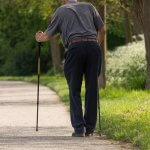
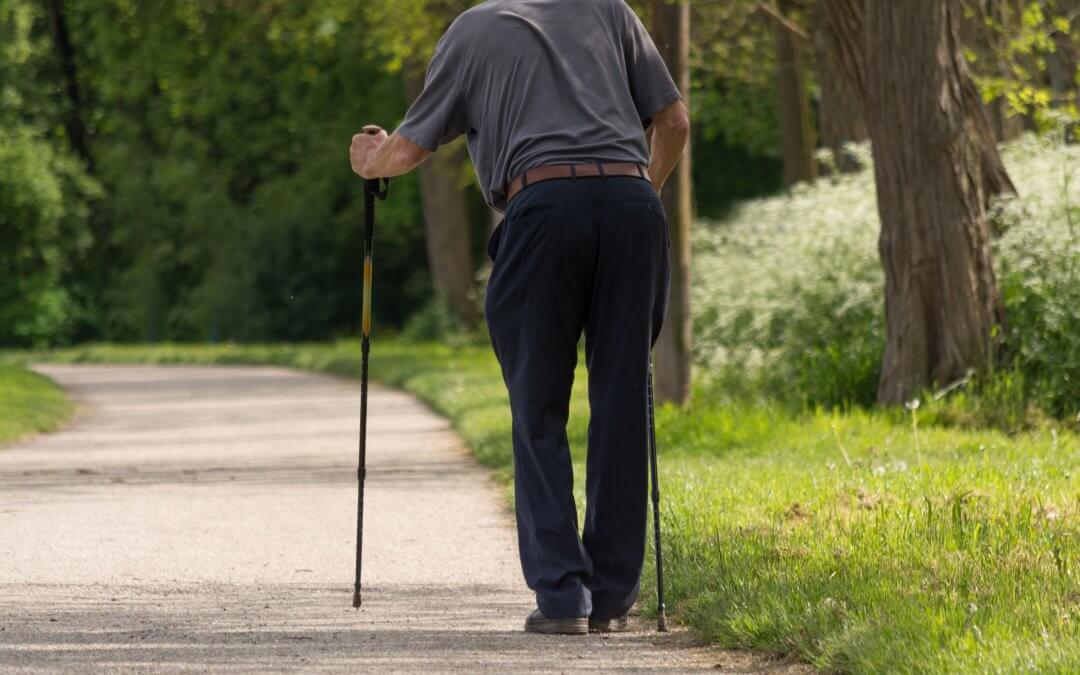
Getting older shouldn’t automatically mean your world shrinking, but for millions of older adults who suffer from ageing frailty, that’s exactly what happens. Ageing frailty is a multisystemic, degenerative condition that makes affected individuals incredibly vulnerable. Even small stressors which healthy people would be able to simply shrug off, such as a minor infection or a fall, can lead to a dramatic, sudden decline.[1][2]
The numbers are stark: studies indicate that 12% to 24% of older adults are classified as frail, with the proportion increasing significantly with advancing age.[2] What’s more, nearly half (45%) of older adults are considered pre-frail and at risk of worsening.[3]
Frailty causes reduced mobility, muscle weakness and poor endurance, all of which leads to a shrinking “life space” – the range of areas a person is able to access and enjoy – which, in turn, leads to a loss of independence and quality of life.[1][2]
Studies estimate that compared to fit older adults, annual healthcare costs double for those with mild frailty, triple for moderate frailty, and quadruple for severe frailty;[4] frail older adults have an increased risk of disability, dementia, hospitalisation, institutionalisation and death.
In spite of this, there is currently no effective therapy for ageing frailty. Instead, assistance is limited to providing support, such as carers, mobility aids or supported living.
How could stem cells help with ageing frailty?
Laromestrocel (Lomecel-B) is a stem cell therapy made from bone marrow MSCs taken from healthy young adult donors aged 18 to 45.
These stem cells secrete factors that can potentially combat inflammageing, restore the function of blood vessels and promote the formation of new ones (angiogenesis), and reverse decline in muscle function. Because ageing frailty is driven by “inflammageing” (low-grade chronic ageing-related inflammation), blood vessel dysfunction, and a reduction in the body’s own stem cell renewal capacity, the treatment has strong potential to be effective. Recently published results from a phase 2b clinical trial are quite encouraging.[1]
What were the results of the clinical trial?
Researchers found that a single IV infusion of laromestrocel promoted clinically meaningful, dose-dependent increases in physical function and mobility when compared to a placebo.
Trial structure:
- 148 participants aged 70 to 85 with mild to moderate ageing frailty received an infusion.
- Patients were randomly assigned to receive a placebo or a single dose of laromestrocel at 25 million, 50 million, 100 million, or 200 million cells.
- The study was double-blinded, meaning neither the patients nor the clinical staff evaluating them knew who was receiving the stem cell treatment.
Key study findings:
- Mobility improvement: Patients receiving the highest dose (200 million cells) walked 63.4 meters further in a 6-minute walk test than the placebo group at 9 months post-infusion.
- Frailty reduction: By month 9, 30.8% of the patients receiving laromestrocel improved to a “well” status (no longer classified as frail) on the clinical frailty scale, compared to only 14.8% in the placebo group.
- Patient-reported benefits: The improved walk distances significantly correlated with patient-reported improvements in overall physical function, mobility, and upper body function.
- Biological healing: The treatment lowered blood levels of sTIE2, a biomarker linked to vascular dysfunction and inflammation, suggesting biological healing within the blood vessels.
Researchers concluded that these robust improvements make laromestrocel a strong therapeutic candidate for treating hypomobility and frailty in older adults, with future studies planned for extended follow-ups.
Kenneth Rockwood, a geriatrician at Dalhousie University in Halifax, Canada, who created the clinical frailty scale, says that it is “non-trivial” to improve a whole grade in the score, and that this improvement, along with the improvement in the walk test, is “most encouraging”.[5] Dr Daisy Wilson, consultant geriatrician and clinical lecturer at the University of Birmingham’s Department of Inflammation and Ageing, likewise called the results “very promising”.[6]
Beyond ageing frailty, the therapy is being actively researched for other conditions that feature inflammation and vascular dysfunction, including Alzheimer’s disease.
Further studies and larger trials will be needed before this therapy can be approved for widespread clinical use, to determine if improvements are long-lasting, identify whether repeated infusions might have a positive impact, and pinpoint dosage. It is also possible that the therapy may be most, or only, suitable for patients with a high level of vascular dysfunction and inflammation, as highlighted by the sTIE2 biomarker analysis; Dr Wilson suggests that, due to how varied the causes of frailty can be, it could be key to match the right treatment to the right patient.[6]
Still, the findings highlight the potential of stem cells to help manage reduced mobility and other symptoms of ageing. As the body’s capacity to renew its own stem cells diminishes with age, the age of the stem cells may make a real difference in terms of how therapeutically successful they are.
To learn more about stem cells and their potential, as well as how you could preserve a rich source of stem cells at their youngest and most naïve immediately after your baby’s birth for their potential future use, fill in the form below to receive our free guide to cord blood banking.
References

FIND OUT MORE, REQUEST YOUR WELCOME PACK TODAY
All you need to know to make an informed decision.
Provide your contact details to request:
– Complete Welcome Pack and Parent’s Guide
– Information via email
– Contact from our specialist advisors