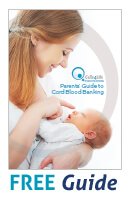


You or may not have heard of cord blood banking. Further to that you may or may not know that it is a good idea to bank umbilical cord blood.
Well, however much or little you may know about it all we hope to give you a quick overview as to why you should bank your baby’s cord blood.
What is cord blood banking?
A quick intro to what it is and what the process entails.
Cord blood banking is the process by which the blood from the umbilical cord, the cord tissue and the placenta can be collected and stored using a private banking service. More specifically you would be saving the stem cells contained within these things.
The process is non-invasive and does not affect you or your birth plan. The collection happens after the baby is born, the cord is cut, and the placenta is delivered. Then a specially trained phlebotomist, which if you don’t have one available already will be provided for you, will complete the collection in another room.
The three things you or your birth partner have to remember are…
- Bring the kit that was provided for you
- Call the phlebotomist once labour has begun
- Contact and hand over your samples to a courier
And that’s it. Easy peasy.
The Potential Safety Net
The biggest reason to save your baby’s cord blood is that it provides them with a potential safety net for the future.
The stem cells contained in the blood and tissue are currently used in the treatment of over 80 conditions worldwide, mainly through the use of a matched donor such as a sibling. These include blood disorders and immune conditions such as leukaemia and anaemia.
These stem cells are also being investigated in clinical trials and experimental studies as potential treatment for a wide range of conditions, from stroke to Alzheimer’s disease, osteoarthritis to brain injury.
Should these clinical succeed, your baby may be able to use their stored cord blood stem cells to gain access to these potential future treatments. As they will be stored for their private use, using their cord blood stem cells, providing they are clinically suitable, may be faster than trying to find a donor match for a treatment.
The Family
Better yet, it isn’t just your baby who will potentially benefit from this. There is a good chance that these stem cells could be a match to relatives.
The closest match would be to a sibling. There is a 25% chance of siblings being a full match and a 50% chance of being a partial match which could still be used in treatment.
There is a smaller chance that a child will match a parent but there is still a chance at all.
Conclusion
Storing your baby’s stem cells should be something you consider during your pregnancy. Cells4Life has multiple options available to you to make it as accessible as possible.
If you need any further information don’t hesitate to reach out or order your free welcome pack today.

FIND OUT MORE, REQUEST YOUR WELCOME PACK TODAY
Everything you need to decide about cord blood banking – and, while you decide, Antenatal by Cells4Life: 18 online classes with Cass McNamara, BBC Scotland’s Ask the Midwife, on birth, feeding, newborn care and recovery. It’s free when you request your welcome pack.
Provide your contact details to request:
- Complete Welcome Pack and Parent’s Guide
- Your discount
- save up to £500
on cord blood banking
- Information via email
- Free access to our full 18-class online antenatal course, including a video class on cord blood banking
- A call from one of our specialist advisers
For further information on genomic sequencing please look at the Genomic England website.
None of the information on this website pertains to medical advice. For medical advice and support with your healthcare please speak to your designated Healthcare provider.