
Key details
The condition: Motor neurone disease affects more than 5,000 adults in the UK at any one time, and around one person in every 300 will develop it in their lifetime. There is currently no cure [1].
The news: The US Food and Drug Administration (FDA) has granted Fast Track status to CK0803, an experimental cell therapy for amyotrophic lateral sclerosis (ALS), the most common form of motor neurone disease [2].
The cells: CK0803 is made from donated umbilical cord blood – but not from its stem cells. It uses regulatory T cells, immune cells that act as the body’s brakes on inflammation [2, 3].
The caveat: The clinical evidence so far comes from a handful of patients, and Fast Track status speeds up regulatory review – it is not evidence that a treatment works [2, 4].
What Is Motor Neurone Disease?
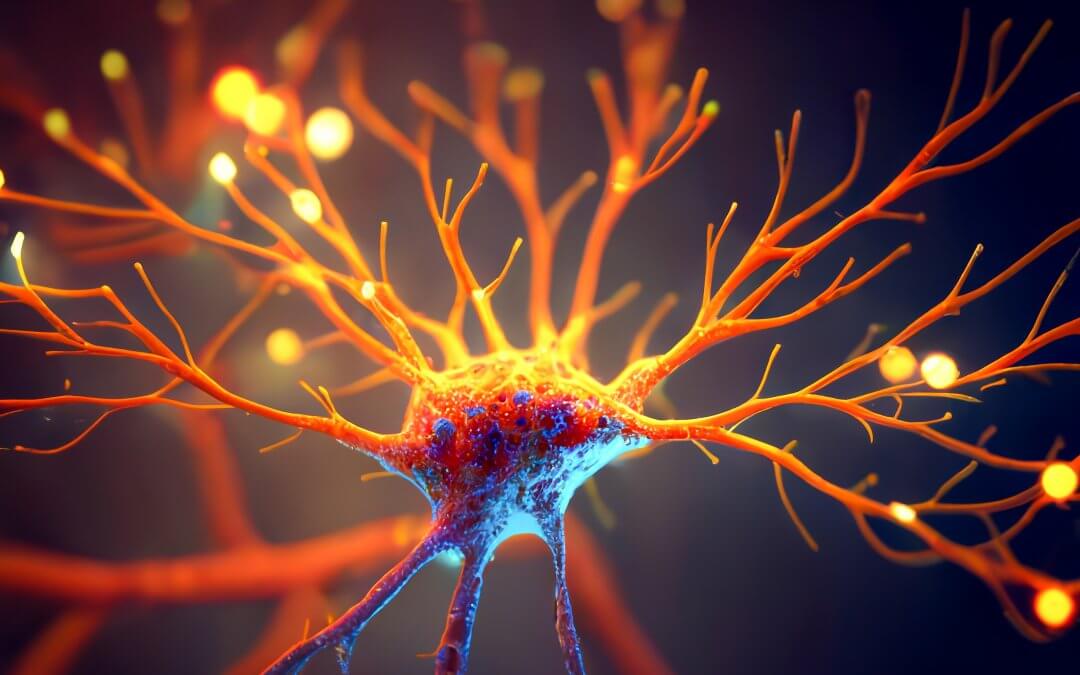
Motor neurone disease is a progressive condition in which the nerve cells that control movement stop working properly. Over time it affects how people walk, talk, eat, and breathe. More than 5,000 adults in the UK are living with the disease at any one time, and there is no cure – existing treatments can help with symptoms but do little to change the course of the condition [1]. Amyotrophic lateral sclerosis, or ALS, is the most common form, and researchers often use the two names interchangeably [1].
What Are Regulatory T Cells, And Why Cord Blood?
Umbilical cord blood is best known for its blood-forming stem cells, which have been used in transplant medicine for decades. But cord blood contains much more. Among its immune cells are regulatory T cells – specialised cells that act as the immune system’s brakes, calming inflammation and stopping immune responses from damaging the body’s own tissues [2, 3]. Their discovery was recognised with the 2025 Nobel Prize in Physiology or Medicine [5].
In motor neurone disease, growing evidence points to inflammation in the brain and spinal cord as a driver of nerve cell damage. That is where a therapy built from these calming cells comes in [2, 4].
What Is CK0803?
CK0803, developed by the US company Cellenkos, is an off-the-shelf therapy made from regulatory T cells isolated from donated umbilical cord blood. The company describes the cells as enriched and prepared so that they carry high levels of homing molecules, which guide them to inflamed areas of the brain and spinal cord, where they are intended to damp the inflammatory activity that injures motor neurons [2]. Since regulatory T cells from cord blood do not require tissue matching, the therapy can be given as a simple outpatient infusion, without chemotherapy or any other conditioning treatment [2].
On 21 August 2026, the FDA granted CK0803 Fast Track designation for ALS – the first regulatory T cell therapy to receive this status in the disease [2].
What Does The Evidence Show So Far?
Two small pieces of human evidence sit behind the designation:
- A published compassionate-use study. In 2025, doctors reported outcomes for six people with ALS treated with cord blood regulatory T cells in the journal NEJM Evidence. Before treatment, participants’ scores on the standard ALS functional rating scale were falling by an average of 1.66 points per month; during treatment, the decline slowed to 0.41 points per month [4].
- An ongoing early-stage trial. CK0803 is being tested in REGALS, a phase 1/1b clinical trial in which six evaluable patients have received repeated infusions [2, 6]. The company reports stabilised functional decline, an approximately 60% fall in neurofilament light chain – a blood marker of nerve damage – and a rise in the anti-inflammatory signal interleukin-10 [2].
These findings are encouraging, but they must be read with care: the numbers are very small, there was no placebo group, and changes in blood markers are not the same as proven clinical benefit [2, 4]. The field has learned that lesson before – a much larger phase 3 trial of a different stem cell-based therapy for ALS, NurOwn, found no significant difference between treatment and placebo [7]. Properly controlled trials of CK0803 will be the real test.
What Does Fast Track Status Mean?
Fast Track is an FDA programme designed to speed up the development and review of treatments for serious conditions with unmet medical need [8]. It gives the developer more frequent communication with the regulator and, potentially, a faster route through review. It reflects the seriousness of the disease and the promise of the approach – it is not a verdict on whether the therapy works [8].
What Does This Mean For Families Who Store Cord Blood?
This story is a reminder that umbilical cord blood is more than its famous blood-forming stem cells. It is also a rich source of young, functional immune cells – including the regulatory T cells now being taken into clinical trials for motor neurone disease [2, 3]. CK0803 itself is made from donated cord blood, but the science underlines just how much useful biology is captured in a single sample collected at birth.
Your baby’s birth is the beginning of a lifetime of possibilities. It is also a unique opportunity to preserve the stem cells and immune cells in their cord blood. Storing these cells keeps them available should they be suitable for a future treatment. Discover what cord blood banking could mean for your family—fill in the form below to request your free welcome pack.
References
- MND Association. What is MND? https://www.mndassociation.org/about-mnd/mnd-explained/what-is-mnd
- Cellenkos, Inc. (2026). Cellenkos receives FDA Fast Track designation for CK0803 in amyotrophic lateral sclerosis (ALS). PR Newswire, 25 August 2026. https://www.prnewswire.com/news-releases/cellenkos-receives-fda-fast-track-designation-for-ck0803-in-amyotrophic-lateral-sclerosis-als-302859365.html
- ALS News Today (2026). FDA puts experimental T-cell treatment for ALS on fast track. https://alsnewstoday.com/news/fda-puts-experimental-t-cell-treatment-als-fast-track/
- Shneider, N. A., et al. (2025). Clinical safety and preliminary efficacy of regulatory T cells for ALS. NEJM Evidence. https://doi.org/10.1056/EVIDoa2400249
- The Nobel Prize (2025). The Nobel Prize in Physiology or Medicine 2025. https://www.nobelprize.org/prizes/medicine/2025/summary/
- ClinicalTrials.gov. Study record NCT05695521: safety of CK0803 in patients with amyotrophic lateral sclerosis (REGALS). https://clinicaltrials.gov/study/NCT05695521
- Cudkowicz, M. E., et al. (2022). A randomized placebo-controlled phase 3 study of mesenchymal stem cells induced to secrete high levels of neurotrophic factors in amyotrophic lateral sclerosis. Muscle & Nerve, 65(3), 291–302. https://doi.org/10.1002/mus.27472
- US Food and Drug Administration. Fast Track. https://www.fda.gov/patients/fast-track-breakthrough-therapy-accelerated-approval-priority-review/fast-track
FIND OUT MORE, REQUEST YOUR WELCOME PACK TODAY
Discover all you need to know to make an informed decision.
Provide your contact details to request:
- Complete Welcome Pack and Parent’s Guide
- Information via email
- Contact from our specialist advisors