
Stem Cell Blog

2021 developments – the benefits of stem cell banking
Stem cell banking may one day give your child access to a huge range of emerging stem cell therapies that may otherwise be unavailable to them. The idea is that as they age their perfectly matched, banked stem cells could be ready and waiting to repair damaged...

Promising Bronchopulmonary Dysplasia Treatment for Premature Babies
A Phase II trial investigating the use of umbilical cord blood mesenchymal stem cells (MSCs) to treat bronchopulmonary dysplasia (BPD) in premature infants has shown promising initial results, giving way to a larger Phase II study, focusing on a subset of babies who...
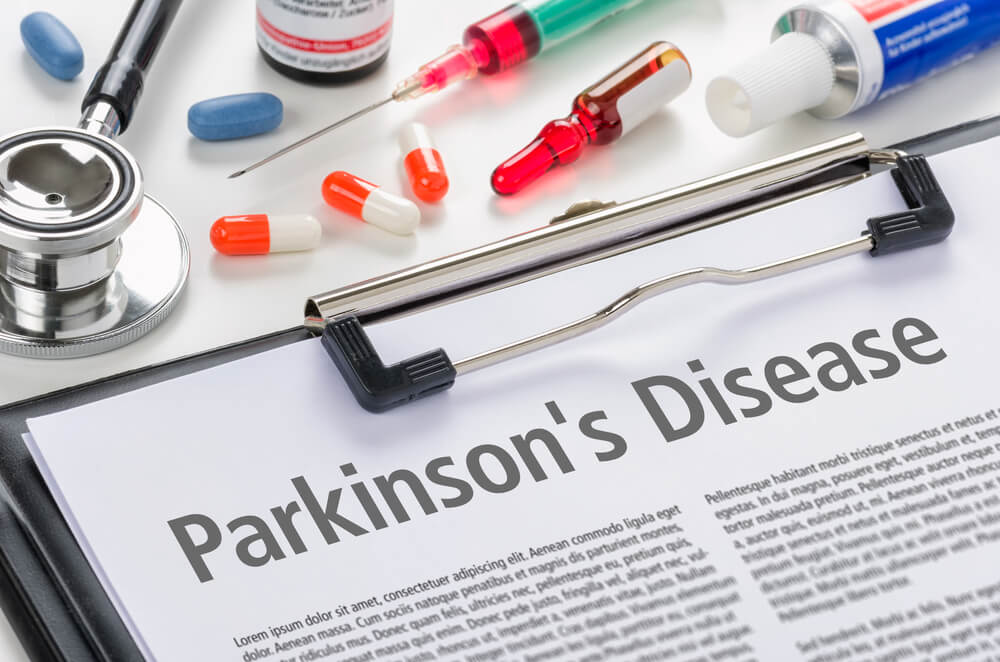
Stem cell trial for Parkinson’s disease
Researchers at Kyoto University’s Centre for iPS Cell Research and Application in Japan are moving ahead with the world’s first application of induced pluripotent stem cells (iPSCs) to treat Parkinson’s disease. The team, led by neurosurgeon Jun Takahashi, will now...
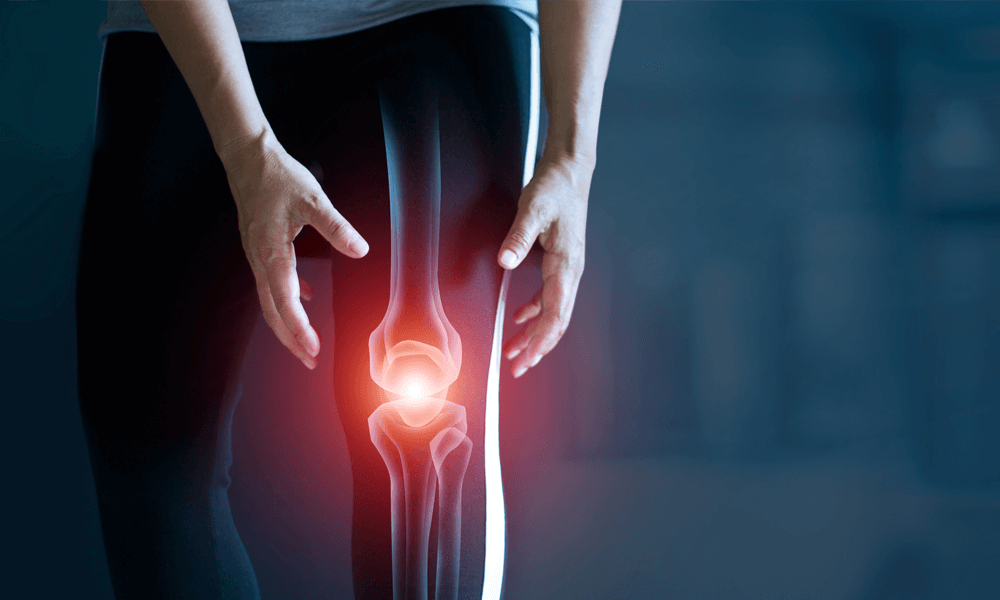
Placenta Injections for Arthritis: A New Approach to Pain Management
According to new research, an injection of cells from the placenta can ease the pain and other symptoms of arthritis sufferers for up to one year.The new treatment, ReNu, developed by British-US-based firm Organogensis, is made from cells of the innermost layer of the...

Boosting COVID-19 Survival with Umbilical Cord Stem Cells
A small study using umbilical cord blood stem cells to treat COVID-19 suggests that these stem cells could significantly improve survival rates and accelerate recovery time for critically ill COVID-19 patients. The study recently published in Stem Cells Translational...

Recent Posts
-
 How Long Can Stem Cells Stay Frozen? New Study Finds Cells Still Working After 13 Years
-
 First US Patient Treated in Phase 3 Trial of Cord Blood Stem Cell Therapy for Knee Osteoarthritis
-
 Could a Blood Test at 12 Weeks Predict Pre-eclampsia?
-
 Could Sibling Cord Blood Help a Child With Cerebral Palsy?
-
 Cord Tissue Stem Cell Therapy for Pulmonary Fibrosis Completes First Human Safety Trial

Find out more, request your welcome pack today
Discover all you need to know to make an informed decision.
Provide your contact details to request:
– Complete Welcome Pack and Parent’s Guide
– Information via email
– Contact from our specialist advisors
Find out more, request your welcome pack today
Discover all you need to know to make an informed decision.
Provide your contact details to request:
– Complete Welcome Pack and Parent’s Guide
– Information via email
– Contact from our specialist advisors