
Stem cell case studies
Read our stem cell case studies to discover how umbilical cord cells have been used to treat conditions such as leukaemia, and have been used in clinical trials for stroke, brain injury and autism.
Stem cell case studies
Read our stem cell case studies to discover how umbilical cord cells have been used to treat conditions such as leukaemia, and have been used in clinical trials for stroke, brain injury and autism.
Stem cell case studies
Read our stem cell case studies to discover how umbilical cord cells have been used to treat conditions such as leukaemia, and have been used in clinical trials for stroke, brain injury and autism.
Since 1988, cord blood stem cells have been used to treat a growing number of diseases and disorders.
The first transplant was for a 5-year-old boy called Matthew Farrow, who received his sister’s cord blood to treat Fanconi anaemia. Children with the condition are only expected to live into their teenage years, but Matthew is now a healthy 40-year-old with a family of his own.
Fanconi anaemia is just one of more than 80 potential diseases treated by cord blood and in the past four decades, there have been more and more stem cell success stories from all around the world. You can find out more about these case studies below.



Jay’s journey
Little Jay Shetty took part in a pioneering clinical trial for cerebral palsy at Duke University in the USA. After he was diagnosed with cerebral palsy at a young age, his parents decided to store his brother’s stem cells with Cells4Life.
In 2018, Jay received those cells in a single injection that was overseen by Dr Joanne Kurtzberg from Duke’s medical centre.
Cells4Life also supported the family with their fundraising efforts, as well as with their social media presence to raise awareness of cerebral palsy and cord blood’s potential.

Jamie’s story
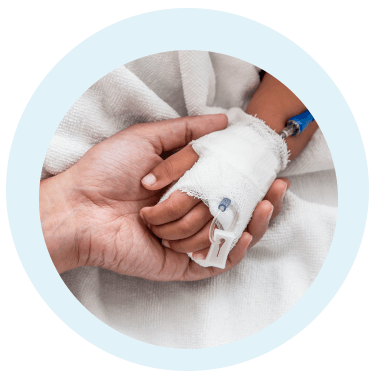
In 2018, Jamie’s beautiful five-year-old boy received an intravenous cord blood infusion as part of a clinical trial for autism at Duke University Hospital.
“Our message to every prospective parent is to consider umbilical cord blood storage very seriously. Medical science has progressed further and faster in the last 30 years than it did in the last 100 and the pace is only becoming more frenetic,” says Jamie. “The way I saw it, the cost was less than £100 per year over 20 years and may be the equivalent of taking just one less family vacation in that whole time …I can never thank the company enough for extending themselves so my little boy could have a chance at getting better.”
Jamie shared her family’s inspirational stem cell case study with us in 2019.

Other stem cell case studies
Cord blood stem cells treat severe combined immune deficiency
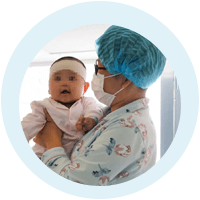
Doctors in Shanghai used cord blood to treat an eight-month-old baby with severe combined immune deficiency (SCID). They injected little Ranbao with haematopoietic stem cells, and it is hoped that this transplant may have successfully treated her condition. In China, there have been more than 4,000 such stem cell transplants – and that number continues to increase all the time.

Cord blood stem cells used in experimental research for autism
In Tbilisi, Georgia, doctors injected cord blood into the spinal cord of little Nikoloz, who was diagnosed with autism at the tender age of two.

Cord blood stem cells treat sister’s sickle cell anaemia
Carol Mulumba was diagnosed with sickle cell anaemia at three weeks old. Her parents chose to store her sibling’s cord blood and at the age of six, Carol received a stem cell transplant after receiving chemotherapy. Just one month after her transplant, Carol was free from the symptoms of sickle cell disease.

Cord blood stem cells treat Diamond-Blackfan anaemia
When Dillon Low was born, he was almost immediately diagnosed with Diamond-Blackfan anaemia, a rare inherited blood disorder where bone marrow fails to create red blood cells. The condition meant that Dillon had to spend much of his young life in hospitals, but when his mother gave birth to his younger brother, she decided to bank his cord blood stem cells. Dillon received those cells in an infusion, which has restored his health and overcome his fatigue.


Cord blood stem cells support neuroblastoma recovery
Way back in 2002, cord blood banking was a relatively new concept, but Frances Everall’s parents were among the first to store their baby’s stem cells. When Frances was diagnosed with stage 4 neuroblastoma at the age of 4, she underwent six cycles of radiotherapy and chemotherapy before receiving a bone marrow transplant. She then received a cord blood transfusion of her own cells to boost her immune system and help her recovery. In 2008, she went into remission.

Cord blood stem cells treat brother’s leukaemia
Keegan Doheney was diagnosed at two years old with leukaemia and went into remission a few years later. Mindful that he could suffer a relapse, his parents chose to bank his younger brother’s cord blood. When Keegan was five and a half, he relapsed and received his brother’s cord blood stem cells to cure his leukaemia.
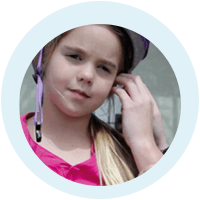
Cord blood stem cells trialled for paediatric stroke
Peyton Connelly suffered a massive stroke as a baby, and doctors told her parents there was nothing they could do. Fortunately, they had stored Peyton’s cord blood stem cells at birth and were able to sign up for a clinical trial which involved a stem cell infusion.

Cord blood stem cells trialled for acquired brain injury
Sparrow Morris almost drowned in a pool when she was 20 months old, and doctors could not find a pulse for 47 minutes. Her brain had been starved of oxygen for so long, that her chances of survival seemed slim. When she did wake, little Sparrow was unable to sit and was fed through a tube; she underwent speech therapy, physiotherapy and occupational therapy, and slowly made progress.
Then, Duke University treated Sparrow with an infusion of her cord blood stem cells as part of a clinical trial. “It was amazing that we banked Sparrow’s cord blood, not thinking that we would ever see it be used,” her mother Tonya said, “…but we used it for Sparrow and it was there for her and only because it was her own cord blood we got to use it.”
Request your welcome pack
Request your welcome pack

Why choose Cells4Life?
Cells4Life is the only placenta storage bank in the UK. We are also the UK’s most popular cord blood bank, having stored more UK samples than any other.
Everything about our service has been designed to provide your baby and family with the best preparation possible for their long-term health.
Here are just a few of the benefits to baby stem cell banking with Cells4Life:
- More stem cells to maximise treatment opportunities
- Multiple samples
- Dual location storage
- Most comprehensive range of services
- Year-round collection
- Dedicated couriers
- Industry-leading technology
- HTA-licensed
Why choose Cells4Life?
Cells4Life is the only placenta storage bank in the UK. We are also the UK’s most popular cord blood bank, having stored more UK samples than any other.
Everything about our service has been designed to provide your baby and family with the best preparation possible for their long-term health.
Here are just a few of the benefits to baby stem cell banking with Cells4Life:
- More stem cells to maximise treatment opportunities
- Multiple samples
- Dual location storage
- Most comprehensive range of services
- Year-round collection
- Dedicated couriers
- Industry-leading technology
- HTA-licensed
Why choose Cells4Life?
Cells4Life is the only placenta storage bank in the UK. We are also the UK’s most popular cord blood bank, having stored more UK samples than any other.
Everything about our service has been designed to provide your baby and family with the best preparation possible for their long-term health.
Here are just a few of the benefits to baby stem cell banking with Cells4Life:
- More stem cells to maximise treatment opportunities
- Multiple samples
- Dual location storage
- Most comprehensive range of services
- Year-round collection
- Dedicated couriers
- Industry-leading technology
- HTA-licensed
Latest stem cell case studies news
Discover more stem cell case studies, news and cord blood clinical trials by reading our stem cell blog.

Stem Cell Therapy for Hearing Loss to Begin First In-Human Trial
The first in-human trial of a stem cell therapy to treat hearing loss is due to begin later this year in the UK, after receiving MHRA approval. The trial will test whether the treatment is safe, as well as evaluate its effects on auditory function.[1] What is hearing...
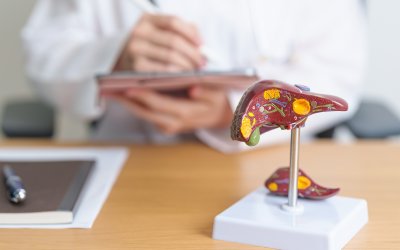
Could Stem Cells Help Treat Acute-on-Chronic Liver Failure?
The liver is a remarkably resilient organ - the only organ in the body capable of regenerating itself when damaged.[1] Damage to the liver does, however, build up over time, eventually leading first to chronic (long-term) liver disease and then, inevitably, to liver...
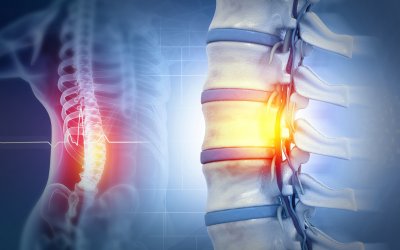
Wharton’s Jelly Stem Cells Show Promise for Chronic Spinal Cord Injury in New Study
Chronic complete spinal cord injury (SCI) is a life-altering diagnosis that severs communication between the brain and body, leading to a permanent loss of movement and sensation for which no restorative treatments currently exist.[1] However, a groundbreaking...
FIND OUT MORE, REQUEST YOUR WELCOME PACK TODAY