
Stem cell treatments and clinical trials
One day, should clinical trials succeed, stem cell treatments could…

Repair damaged tissue

Restore lost function

Treat life-changing conditions
Cord blood stem cells are a precious resource that have been saving lives for more than three decades. Since 1988, there have been more than 1 million stem cell treatments worldwide6 and umbilical cord blood stem cells, typically from a matched donor, such as a sibling, are the recognised therapy for over 80 diseases.12 These include various cancers, blood and immune disorders.
Stem cells are also considered to be a cornerstone of a relatively new area of science known as regenerative medicine. Today there are hundreds of clinical trials investigating the use of stem cells to treat common and often life-threatening conditions such as heart disease, Alzheimer’s and diabetes. Scientists hope that in the future, if stem cell research and clinical trials continue to progress, cord blood may even be used to repair spinal damage, print kidneys or grow a new heart.
Cord blood stem cells really could be the future of medicine. Find out more about stem cell collection or request an Information Pack to secure this potentially life saving resource for your baby.


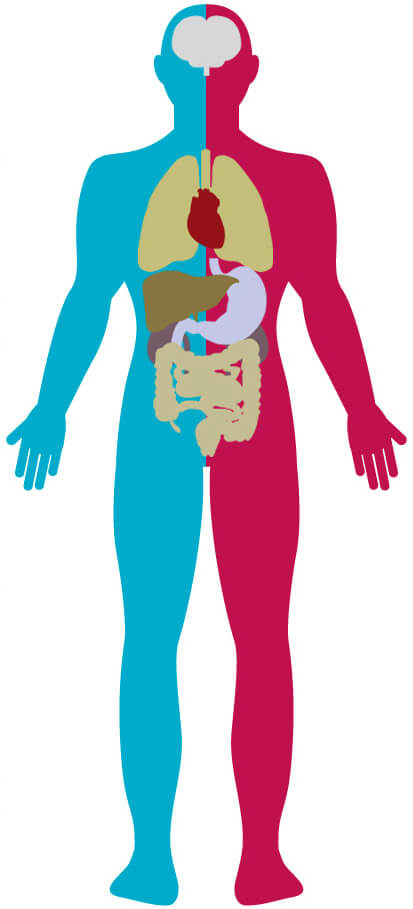
Standard therapies (typically using donor cells) include:
Metabolic Disorders:
Blood Cancers:
Solid Tumours:
Immune Disorders:
Blood Disorders:



Stem cell treatments today
Umbilical cord blood contains millions of haematopoietic stem cells (HSCs). These are the stem cells that can transform into any type of blood cell. Because of this ability, donor cord blood is frequently used to rebuild the immune system of patients whose white blood cells are decimated by aggressive cancer therapies and those who suffer from genetic conditions of the haematopoietic system.
HSCs are the primary cell type used for today’s stem cell treatments, and have been proven to be safe and effective in thousands of treatments and trials.
Stem cell treatments in the future
Regenerative medicine is a relatively new branch of therapy that deals with replacing, creating and regenerating human cells, tissue and organs. Regenerative therapies aim to restore normal function for those afflicted with injury or disease or introduce normal function for the first time for conditions suffered from birth.
Stem cells are central to the development of regenerative medicine and cord blood stem cells in particular show a great deal of promise due to their pure and plastic nature.
Stem cell researchers are currently conducting thousands of clinical trials to investigate the application of stem cell treatments for hundreds of different conditions, many of which are incurable. You may have heard news stories about stem cells having the potential to help a paralysed man to walk again or restoring sight to sufferers of blindness.
TTherapies like this used to be the stuff of science fiction but regenerative medicine is helping scientists to work towards making it a reality. The growth of this new area of stem cell therapy is demonstrated by the fact that 48% of cord blood bank releases have been for regenerative clinical trials. It is often for its regenerative potential that so many families choose to store their children’s cord blood.
Cerebral Palsy
The routine use of cord blood stem cells in regenerative therapies may not be as far off as you might think…
Cerebral palsy is a term that describes a variety of brain conditions that emerge in early childhood and affect coordination and movement. It is usually caused by a trauma to the brain suffered in the womb or during birth. In the UK, 1 in 400 children will suffer from cerebral palsy and to date, whilst palliative therapies exist, there is no treatment for the condition itself.
However, cord blood may prove to be the solution. Building on Dr Joanne Kurtzberg’s pioneering work at Duke University, USA, a landmark 2025 study published in Pediatrics indicated that for certain cohorts, stem cells may be efficacious in treating the condition.
This meta-analysis, reviewing data from over 400 children across 11 studies, indicated that cord blood cell therapy, when combined with rehabilitation, can significantly improve gross motor skills compared to rehabilitation alone. Results were compelling: 68% of treated children scored higher than the control group, with improvements peaking 6 to 12 months post-treatment. Crucially, the study found that higher cell doses yielded better results.
Although the treatment is not yet approved for routine use in any country, these findings support the decision of thousands of parents to bank their children’s cord blood.
Your child’s key to the future…
Your baby’s cord blood could be their key to accessing future stem cell treatments as they progress form from clinical trials to routine treatments. Whilst there are some conditions – such as leukaemia – where a sibling’s or donor cells may be preferable, for many future therapies, especially regenerative treatments, having access to their own stem cells may be preferred. All donor samples are matched to the recipient but there is remains a risk that they will be rejected, meaning they may not be able to last long enough to perform a repair, or, in the case of stem cell transplants could leads to graft-versus-host disease which has extremely serious side effects, including death.
Storing your baby’s own stem cells ensures that they have their own perfect genetic match ready and waiting.
About cord blood clinical trials…
Latest Stem Cell News
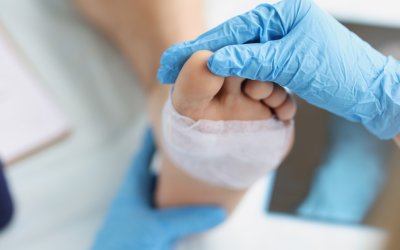
Can Stem Cell Therapy Heal Diabetic Foot Ulcers?
Key details High amputation risk: Diabetic foot ulcers are a serious complication of diabetes, often leading to infection and significantly higher amputation risks compared to the non-diabetic population. Treating the root cause: Unlike standard care, stem cell...
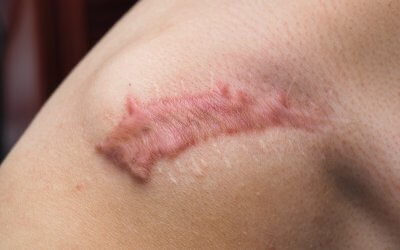
Can Mesenchymal Stem Cells Treat Scars? A Review of Regenerative Medicine
Key details Current limitations: Traditional scar treatments (surgery, gels, steroids) are often only partially effective. Even after treatment, scars frequently remain, presenting aesthetic and functional challenges for patients. New research: A recent review...

Stem Cell Therapy for Congenital Heart Defect Begins Pivotal Trial Phase
Key details New clinical phase: A stem cell therapy called laromestrocel has entered a pivotal Phase 2b clinical trial to treat hypoplastic left heart syndrome (HLHS), a congenital defect where the left heart is severely undeveloped.[1] Standard of care: Treatment for...
Find out more, request your welcome pack today